What is an Inergen Fire Suppression System?

An Inergen Fire Suppression system is a type of non-synthetic clean agent system that contains a mixture of nitrogen, carbon dioxide, and argon. Upon activation, this agent is released into the room, mixes with the air, and extinguishes all flames present. This clean agent doesn’t leave residue or corrosive by-products, protecting all property and assets from damage. 

This type of suppression is generally used in an enclosed area such as; data rooms, offices, laboratories, and warehouse storage. The gaseous mixture is safe to be released if the area is occupied, making it safe for many applications! If the area has limited space, the Inergen gas can be stored remotely to save space. 

The Inergen agent will be discharged in the event of a fire to extinguish flames and then release into the atmosphere in its natural state, causing no harm to the environment. This gives the system longevity as it mitigates the concern of legislative action against more harmful chemical substances that could cause ozone depletion. 

Contact Fire Protection Professionals for Installation and Service 

Davis Ulmer Fire Protection provides fire protection design, service and installation for customers in New York, Connecticut, Pennsylvania, New Hampshire, Massachusetts, and New Jersey. We offer Inergen systems as well as many other types of fire suppression systems based on the specific needs of your building. Contact us today to learn more about Inergen systems and how they compare to other options!

Fire Sprinkler Inspection Requirements

If you own or manage a commercial building, it is important to take care of your building’s fire sprinkler systems so you can have peace of mind that they will function properly when you need them. Inspections and testing of fire sprinkler systems are required by most jurisdictions and it can be difficult to know what the requirements are surrounding fire sprinkler inspections.

Regulations for Fire Sprinkler Testing & Inspections

The requirements and frequency of inspections and testing of fire sprinkler systems will vary depending on the type of fire sprinkler system in your building and your AHJ (Authority Having Jurisdiction). However, most municipalities follow the standards set forth in NFPA 25. Be sure to check with your local AHJ to see if there are any additional requirements in your area.

How Often Do Fire Sprinkler Systems Need to be Tested & Inspected?

According to NFPA 25, fire sprinkler systems need to be inspected weekly, monthly, quarterly, annually, and every 5 years.

  • Weekly – Inspection of control valves and gauges for pre-action, deluge, and dry sprinkler systems.
  • Monthly – Inspect gauges and alarm valves of wet pipe sprinkler systems.
  • Quarterly – Inspections of water flow alarm devices, valve alarm devices, control valves, signal devices, hydraulic nameplates, and fire department connections.
  • Annually – Pipework and fittings, hangar/seismic bracing, information signage, spare sprinklers, sprinkler heads, and backflow prevention assemblies should be inspected.
  • Every 5 Years – Internal inspection of sprinkler pipes and check for obstructions.

The frequency of testing of fire sprinkler systems in accordance with NFPA 25 is as follows:

  • Quarterly – Testing of main drain and mechanical alarm devices.
  • Semi-Annually – Test vane and pressure switch type devices.
  • Annually – Comprehensive test of fire sprinkler system should be performed. Every element of your sprinkler system should be checked.
  • Every 5 Years – Testing of fire sprinkler systems exposed to high temperatures and harsh environments. Sprinkler system gauges should be tested and/or replaced.
  • Every 10 Years – Dry sprinkler systems should be tested and/or replaced every 10 years.

Who Can Perform Fire Sprinkler Inspections?

Weekly and monthly inspections of fire sprinkler systems can be performed by in-house staff who have been properly trained on NFPA 25 regulations and local codes. All other inspections and testing should be performed by a licensed fire protection professional.

Davis-Ulmer Provides Fire Sprinkler Inspections

At Davis-Ulmer Fire Protection, we can provide inspections and testing of your fire sprinkler systems as often as needed. We can perform inspections for a wide variety of sprinkler systems in commercial, residential, industrial, and institutional facilities. Our team of trained and licensed technicians will provide comprehensive inspections so you can have peace of mind that your facility is code compliant and protected. Contact us today to schedule an inspection.

Why Should You Consider Working For Davis-Ulmer?

Davis-Ulmer is a family of experienced fire protection companies that works together to provide our customers with the best products and services. Because we are a large company, we are able to offer our employees large company benefits, while still giving you a small company feel. Holding a career at Davis-Ulmer is something you can be proud of when you are a part of protecting the lives of the community around you.

To list a few, here are 10 reasons for why Davis-Ulmer is a great place to hold your career:

  1. We believe that everyone is a leader and has the opportunity to lead every day
  2. We offer competitive pay for individuals with experience
  3. Our employees’ values align with ours (key element to our People/Talent Development Operating Code)
  4. We offer living benefits such as medical, dental, vision, and more
  5. Career skills are built through our Custom designed Fire Alarm apprenticing and Inspector development programs
  6. We have leadership development focus and opportunities
  7. We believe in creating long lasting professional relationships that benefit you and the company
  8. We do not discriminate against any status or characteristic (minority/female/veteran/disability)
  9. We are team oriented and work together under the same mission: “Provide the highest level of expertise, quality, customer service and satisfaction in the fire protection and security industry”
  10. Your job feels rewarding when you are protecting the lives of DU customers

How Can I Join the Team?

At Davis-Ulmer we have many employment opportunities available to those that are interested in being a part of our team. Visit our career page to learn more about the open positions and opportunities available near you.

Our locations include:

Our positions available include:

  • Administration
  • Design
  • Sales
  • Technician
  • Others (inspectors, project managers, representatives…)

Join the DU Team

Whether you are looking for a change in career or just starting out, we would love for you to be a part of our company. Contact your nearest DU office location to learn more about the company or the available career openings. Apply today to start a career you are proud of at Davis-Ulmer Fire Protection.

What is Fire Alarm Monitoring?

Most people are familiar with fire alarms, where occupants inside a building are able to be notified when a fire is present. Fire alarms are a key component to the safety of the building, employees, visitors, and the structure itself. What some people are unaware of is taking the safety step further with fire alarm monitoring. Fire alarm monitoring is a system that automatically notifies necessary responders, such as the fire department, in the event of a fire.

How Does Fire Alarm Monitoring Work?

Fire alarm systems are necessary because they notify the occupants of an emergency, but who notifies help to come put it out? There are a lot of cases in which the call to 911 is delayed and the damage to the building or injured employees is increased. In other situations, there may be a fire when nobody is present or the call to 911 is assumed, in this case damages can be even more detrimental.

With fire alarm monitoring, as soon as a fire is detected by the system, a signal will be sent out to a third-party monitoring station. This monitoring station will then dispatch your central fire station to respond to the emergency. The fire alarm monitoring system is quick and efficient to get the help you need, saving valuable time in the event of a fire.

Benefits of Fire Alarm Monitoring

There are many benefits of installing fire alarm monitoring systems into your buildings including:

  • 24/7 watch protection of the building so that it is monitored even when you are not there
  • Fast and efficient signals, reducing the time for the fire department to get there
  • Faster response time leads to higher safety for employees and less damage to the building
  • Allows for occupants to only worry about getting themself out safely, while the monitoring system does the rest
  • Reliability in the system to communicate with the appropriate responders

Are Fire Alarm Monitoring Systems Necessary?

It is easy to think that anyone is capable of calling responders when a fire alarm sounds, but in this type of emergency the monitoring system is necessary. When a fire alarm sounds, what is everyone’s priority? To get out or to call the fire department? In this type of emergency, people’s first priority is to get out, which is the only thing they should have to worry about. With a fire alarm monitoring system, occupants only have to worry about the safety of themselves and the fire department will be dispatched without delay. This system can both save lives as well as property damages to your building.

Davis-Ulmer’s Fire Alarm Monitoring Systems

At Davis-Ulmer Fire Protection, we provide you with the 24-hour fire alarm monitoring protection you are looking for. The 24-hour alarm monitoring systems we offer include fire, security, fire pump signals, sprinkler water flow, supervisory signals and more. Davis-Ulmer offers their customers features like a mobile app to manage your building or buildings so you can view the signals, put your system to test, or update your sources of contact. Contact Davis-Ulmer Fire Protection today to learn more about our fire protection systems and installations.

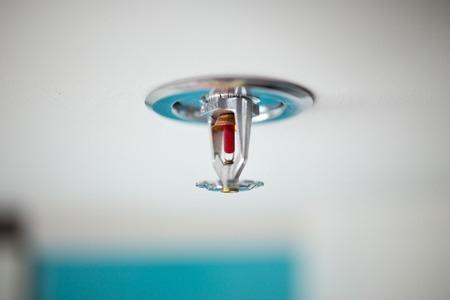
Why Do Fire Sprinkler Systems Need Inspections?

Installing a fire sprinkler system in your facility is a great first step for protecting your property. However, you cannot install a fire sprinkler system and then not touch it for years to come with the expectation that it will perform when it is needed. Sprinkler systems need regular inspections to assure that the system is functioning optimally with appropriate response times. Getting fire sprinkler inspections performed in accordance with NFPA standards, local fire codes, and insurance requirements can help:

  1. Save Lives
  2. Protect Property
  3. Save Money

Fire Sprinkler Inspections Save Lives


An inspection of your fire sprinkler system will help ensure that your system is functioning properly to complete its intended purpose: save lives. Fire sprinkler systems are one of the most effective forms of fire protection and help to automatically control a fire to its point of origin which allows people in the building to safely escape. Skipping inspections of your fire sprinkler system could lead to the system not activating during a fire or be slow to respond which could lead to devastating consequences.

Protecting Property with Sprinkler Inspections

Fire sprinkler inspections can protect your property. Failing to perform inspections of your fire sprinkler system can lead to malfunctions. A sprinkler system that doesn’t activate when a fire occurs will lead to more fire and water damage because you will have to wait for the fire department to come put the fire out. In addition, inspections can identify leaking, rusty, and damaged components that could cause water damage to your property if not repaired.

Fire Sprinkler Inspections Save Money in the Long Run

When you get fire sprinkler inspections performed in accordance with NFPA standards and local codes, you can avoid fines due to noncompliance and shutdowns. Inspections also help to increase the longevity of your equipment by identifying problems early on to avoid the expense of replacing your system. In addition, your insurance provider may offer savings on insurance premiums if you get your systems inspected.

Get Your Fire Sprinkler Systems Inspected by Davis-Ulmer

Davis-Ulmer Fire Protection performs inspections of fire sprinkler systems in New York State. We offer service plans for your fire protection equipment so that you can get your systems inspected on a regular basis and remain compliant with regulations. We have experience serving a wide variety of facilities including commercial, industrial, residential, and institutional. The technicians at Davis-Ulmer will perform inspections aligned with your schedule and with no disruption to your business. To learn more about the services we offer or to schedule an inspection, contact us today!

Fire Prevention Week 2021


On October 9th, 1871, the Great Chicago Fire killed more than 250 people, left 100,000 homeless, destroyed more than 17,400 structures, and burned more than 2,000 acres of land. Every year in commemoration of the fire, Fire Prevention Week is observed. This year Fire Prevention Week is October 3rd – October 9th.  During Fire Prevention Week, the goal is to spread awareness and educate the public about fire safety to prevent fires and fire related injuries.

The Sounds of Fire Safety

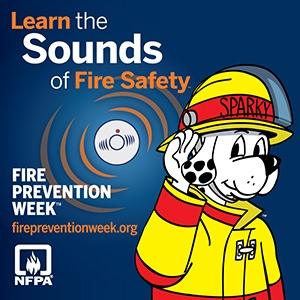
The theme of Fire Prevention Week for 2021 is “Learn the Sounds of Fire Safety!” which aims to educate about the different sounds that smoke and carbon monoxide alarms make. Understanding the sounds of your alarms can help you to take action to keep you and your family safe.

What Sounds Do Smoke Alarms Make?

  • A continued set of three loud beeps (beep-beep-beep) means there is a smoke or fire in your home
  • Get out, stay out and call 9-1-1 if you hear “beep-beep-beep”
  • Hearing a single chirp every 30-60 seconds indicates low battery in your alarm. Replace your alarm batteries when you hear a chirp
  • If you still hear a single chirp after replacing alarm batteries, this means the alarm is at the end of its life and must be replaced
  • Smoke alarms should be replaced every 10 years

What Sounds Do Carbon Monoxide Alarms Make? 

  • A continuous set of four loud beeps (beep-beep-beep-beep) indicates the presence of carbon monoxide in your home
  • If you hear “beep-beep-beep-beep”, go outside, stay out and call 9-1-1
  • A single chirp every 30 – 60 seconds indicates that the batteries should be replaced on your alarm
  • After replacing the batteries if you still hear a chirp, it means the alarm is at the end of its life and needs to be replaced. 
  • CO alarms also have “end of life” sounds that vary by manufacturer. This means it’s time to get a new CO alarm.

Alarms & Fire Safety for Physical Disabilities

If you or someone in your home has a physical disability, you should make sure that your smoke and carbon monoxide alarms meet their needs. Here are some things to keep in mind: 

  • Install a bedside alert device that responds to the sound of the smoke and CO alarms. Use of a low frequency alarm can also wake a sleeping person with mild to severe hearing loss
  • Use a pillow or bed shaker alarm
  • Use devices with strobe lights to alert people of smoke alarm sounds
  • Sleep with your mobility device, glasses, and phone close to your bed
  • Keep pathways like hallways lit with night lights and free from clutter to make sure everyone can get out safely

To learn more about Fire Prevention Week and about what you can do to spread awareness about fire safety, visit the NFPA’s website!

Amherst Safety Day

A key component of success for Davis-Ulmer is our focus on safety. Ultimately, our goal is always 0 accidents or incidents and we strive to achieve this through education and training. We believe that training is important to keeping our workers safe.

For every employee at Davis-Ulmer that works in the field, we provide OSHA 10-hour training. All of our foremen or supervisory positions undergo OSHA 30-hour training. We also provide ongoing training to all our employees through Weekly Tool Box Talks and task or hazard specific training.

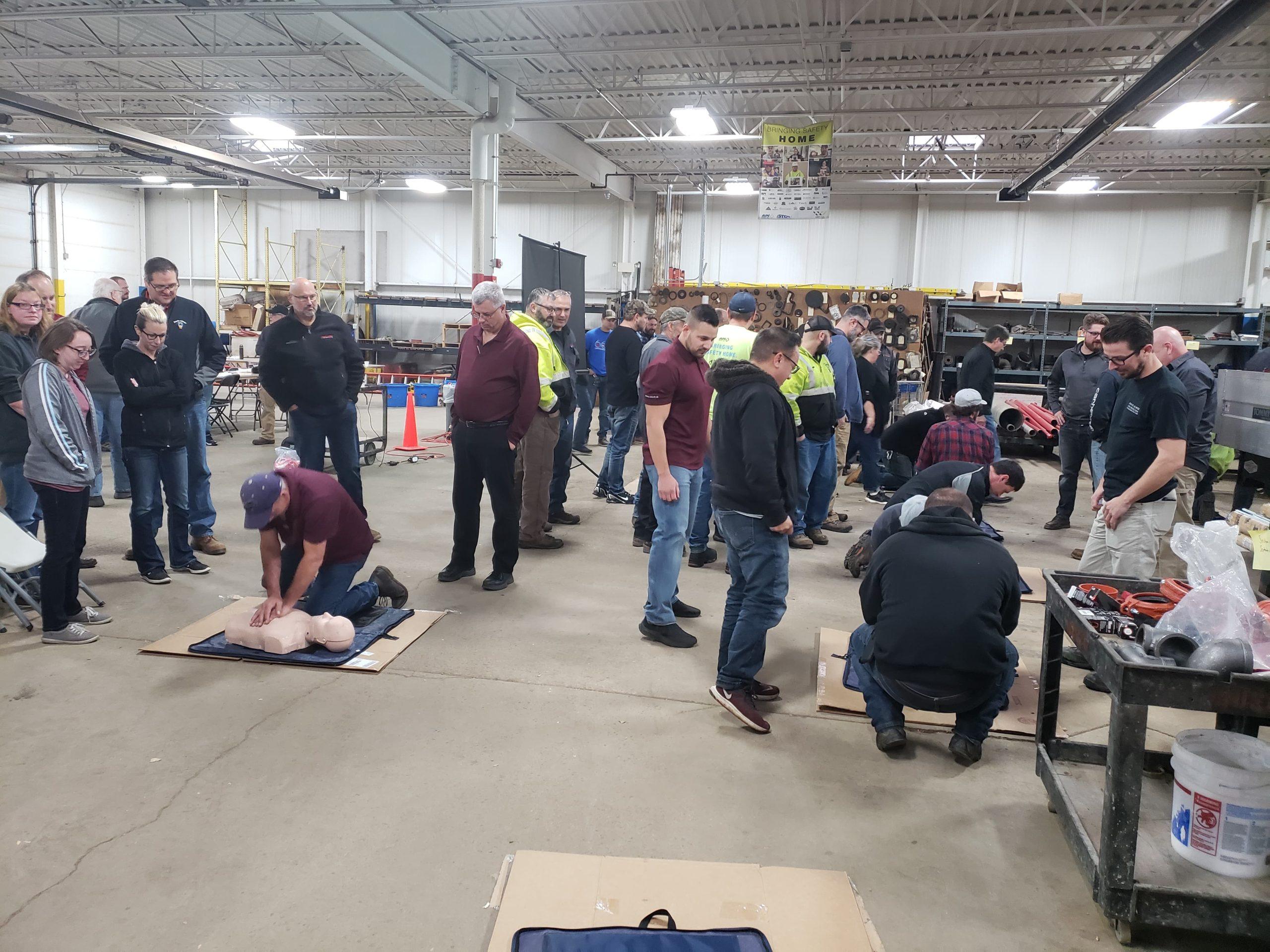
Recently, our Amherst office had a Safety Day where our employees had CPR training. Davis-Ulmer has Safety Days throughout the year at each branch as a part of our continuing safety efforts.

Check out some of the pictures from this event!

Learn more about how we prioritize safety at Davis-Ulmer!

What is Water Mist Fire Protection?

A water mist fire protection system uses fine droplets of water (mist) to suppress a fire. When a fire occurs, water is pushed through nozzles that create small water droplets. The tiny droplets of water in water mist systems displace the oxygen needed for a fire to burn and cools the flames. With more surface area of water in smaller droplets, more water evaporates and turns to steam. This steam absorbs heat and suffocates the fire.

NFPA 750

The Standard on Water Mist Fire Protection Systems is NFPA 750. NFPA 750 describes design, installation, maintenance, and testing requirements for water mist fire protection systems. The NFPA also specifies the applications that would benefit from having water mist systems. If you need a water mist system for your building, you should make sure that is designed and installed in accordance with NFPA 750.

Advantages of Water Mist

Water mist systems offer many advantages over other forms of fire protection. Water mist activates immediately and is highly efficient at putting out fires. The amount of water damage from water mist systems is a lot less than traditional fire sprinkler systems making it an option in areas where traditional sprinklers may not be able to be used. Water mist systems also do not cause harm to the environment like some chemical fire suppressants. It safe to use in areas where people are present because it is not toxic like some other fire suppressants. Additionally, water mist systems can have a cost advantage over other forms of fire suppression. These systems are effective on a wide variety of fires and hazards making them an option for many applications.

Water Mist Systems from Davis-Ulmer

If you need a water mist fire protection system, Davis-Ulmer designs and installs water mist systems for buildings in NY, CT, PA, NH, MA and NJ. We can design, install, inspect, test, and repair your system to keep it running smoothly. We can provide you with innovative solutions to your fire protection needs. If you are interested in our water mist suppression systems, request a quote online today.

The Importance of Servicing your Fire Protection System

Having a fire protection system installed in your building will improve the life safety of the people in the property. However, a fire protection system is useless if it does not function properly. The best way to make sure your system is ready to act when a fire occurs is to have it serviced regularly.

How often should your system be serviced?

It can be difficult to know how often your fire protection system needs to be inspected and tested. The frequency will depend on the type of system as well as NFPA standards, local code, and insurance requirements. NFPA 25 is the standard for inspection, testing, and maintenance of water-based fire protection systems. Your fire sprinkler system should be inspected and testing as often as required by NFPA 25. The standard for inspection, testing, and maintenance of fire alarm systems is NFPA 72.

Benefits of having your system serviced

Servicing your fire protection system can have many benefits. Regular testing and inspection will make you aware of any problems your system may have so it can be repaired as quickly as possible. When your system is up to date you can have peace of mind that your building is protected and that the people in your building are safer from a fire.

Having regularly scheduled inspections and testing can allow you to have discounted insurance premiums which will save you money. In addition, having your system serviced in accordance with codes and standards will help you to avoid fines for noncompliance. It will also save you money if a fire does break out by limiting the amount of damage that is done to your building.

Enlist the Help of a Fire Protection Company

A building manager may be able to perform quick visual checks of fire protection systems but when it comes to more complex inspections and testing, you will want to turn to the experts. Hire a fire protection company that can perform in depth testing, inspection, and repairs for your systems. Fire protection professionals can help you make sure your system is running the way that it should be. A fire protection company will keep the inspection and testing records on hand should you ever need them and many even offer 24-hour emergency services if customers need immediate repairs.

Fire Protection Services from Davis-Ulmer

Davis-Ulmer provides fire protection services to buildings in New York, Connecticut, New Jersey and Pennsylvania. We install, inspect, test, and repair a wide variety of fire protection systems. We are committed to providing high quality systems and services to our customers. We have technicians ready to help you 24 hours a day, 7 days a week for emergency repairs. Contact Davis-Ulmer to learn more about the fire protection services we offer.

MONITORING TERMS AND CONDITIONS

TERMS AND CONDITIONS 

  1. DEFINITIONS: “The Company” for purposes of these conditions refers to Davis-Ulmer Fire Protection and/or any of its affiliates, subsidiaries and Rapid Response Monitoring Services.
  2. CENTRAL STATION MONITORING: The Client agrees to purchase, and Company agrees to provide in accordance with these terms and conditions services for the purpose of monitoring Client’s fire protection equipment in accordance with the terms and condition of this agreement. This Agreement does not include furnishing, installing, maintaining, repairing, replacing, testing or inspecting any equipment, nor does it include any design, construction, alteration, improvement, repair, maintenance, testing or inspection of the Premises (the “Excluded Services”), all of which, if desired, shall be provided pursuant to a separate work order (or other agreement) executed by the Client and the Company. The Company shall have no responsibility whatsoever to provide any Excluded Services without a separate work order approved in writing by Client and the Company.  
  3. TERMS AND RENEWAL OF AGREEMENT: Client agrees and acknowledges that this Agreement shall commence on the Effective Date or from the date of acceptance by Company whichever occurs later unless terminated as provided herein and continue for the term indicated by Client in Section III: TERM (the initial term). At the conclusion of the Initial Term, this Agreement shall automatically extend for successive terms equal to the Initial Term unless either party gives written notice to the other party at least thirty (30) days prior to the end of the then current term.
  4. PRICE AND PAYMENT: The charge for the work agreed to be performed herein shall include all labor, as described in paragraph 4.A, per diem and travel. Client agrees to pay company for the Term(s) of this Agreement, Company’s applicable charges for testing and inspection services and for service calls as set forth under this Agreement.  With approved credit, all invoices are due and payable in full according to the stated terms, net 30 days and interest at a rate of (1 ½%) on all unpaid invoices (30) days past due.  If payment for work provided in this agreement is not paid when due, Client agrees to pay all costs of collection including attorneys’ fees.  Charges for monitoring services or rates for basic or emergency service in any subsequent year of this agreement shall not exceed 215% of the prior year.
  5. MONITORING SERVICE: Upon receipt of a signal from Client’s equipment, the Company’s sole responsibility shall be to use commercially reasonable efforts to notify the Client and the applicable authority in accordance with standard monitoring procedures. The Company is not responsible if, for any reason, a signal is not received from Client’s equipment.
  6. LIMITATION OF LIABLITY: CLIENT ACKNOWLEDGES THAT COMPANY IS NOT AN INSURER, THAT CLIENT SHALL OBTAIN THE TYPE AND AMOUNT OF INSURANCE COVERAGE WHICH IT DETERMINES NECESSARY, AND THAT THE PAYMENTS MADE TO COMPANY BY CLIENT ON THIS PROJECT ARE BASED UPON THE VALUE OF THE SYSTEM AND/OR SERVICES PROVIDED AND ARE UNRELATED TO THE VALUE OF CLIENT’S PROPERTY OR BUSINESS OR ANY POTENTIAL LIABILITY OF DAMAGE TO CLIENT ARISING OUT OF THE WORK PERFORMED BY COMPANY. IN RECOGNITION OF THE RELATIVE RISKS AND BENEFITS TO THE CLIENT AND TO COMPANY RESULTING FROM THE WORK PERFORMED BY COMPANY, THE RISKS HAVE BEEN ALLOCATED SUCH THAT THE CLIENT, AS WELL AS THE CLIENT’S ASSIGNS, AGENTS, AND REPRESENTATIVES, AGREE, TO THE FULLEST EXTENT PERMITTED BY LAW, TO LIMIT THE LIABILITY OF COMPANY, ITS OFFICERS, DIRECTORS, EMPLOYEES AND COMPANY’S PARENT, SUBSIDIARIES, AFFILIATES, CONSULTANTS, SUBCONTRACTORS, VENDORS, TO A MAXIMUM OF $1,000 OR THE AMOUNT OF THE CONTRACT/PRICE OF WORK  BEING PERFORMED, WHICHEVER IS LESS, AND CLIENT DOES HEREBY RELEASE THE COMPANY FROM ANY CLAIMS IN EXCESS OF SAID LIMIT.  THIS LIMITATION OF LIABILITY SHALL APPLY TO ALL JUDGMENTS, CLAIMS, LIABILITY, COSTS, CLAIM EXPENSES, AND ALL OTHER DAMAGES OR LOSSES OF ANY NATURE, INCLUDING ATTORNEYS’ FEES (COLLECTIVELY “DAMAGES”)  SUSTAINED BY CLIENT OR ANY OTHER PARTY CLAIMING BY OR THROUGH  CLIENT.   THIS LIMITATION OF LIABILITY SHALL APPLY, 1.) REGARDLESS OF THE AMOUNT OF ANY DAMAGES SUSTAINED, IF ANY, AS A RESULT OF THIS WORK; AND, 2.) EVEN IF THE DAMAGES ARE ACTUALLY CAUSED OR ALLEGED TO BE CAUSED BY THE NEGLIGENCE, BREACH OF WARRANTY, VIOLATION OF A STATUTE, ORDINANCE, REGULATION, STANDARD OR RULE, DEFECTIVE PRODUCTS, , OR OTHER FAULT OF COMPANY OR COMPANY’S PARENT, SUBSIDIARIES, AFFILIATES, CONSULTANTS, SUBCONTRACTORS, VENDORS, OR THEIR RESPECTIVE EMPLOYEES, AGENTS OR REPRESENTATIVES. SHOULD CLIENT DESIRE A DIFFERENT LIMITATION OF LIABILITY, SUCH IS AVAILABLE AS AN ADDITIONAL SERVICE AT AN ADDITIONAL COST.  CLIENT AGREES TO REQUIRE IT INSURANCE POLICIES TO BE ENDORSED SO AS TO WAIVE ALL RIGHTS OF SUBROGATION AGAINST COMPANY.
  1. WARRANTIES:

A. EXCEPT AS SPECIFICALLY SET FORTH IN THIS AGREEMENT, THE COMPANY MAKES NO WARRANTIES, EXPRESS OR IMPLIED, AS TO ANY MATTER WHATEVER, INCLUDING WARRANTIES OF MERCHANTABILITY OR FITNESS FOR A PARTICULAR PURPOSE, AND THERE ARE NO WARRANTIES OR REPRESENTATIONS WHICH EXTEND BEYOND THE FACE OF THIS AGREEMENT.

B. THE COMPANY DOES NOT KNOW AND DOES NOT REPRESENT THAT THE CURRENT FIRE PROTECTION SYSTEM ON THE PROPERTY OF CLIENT WAS ORIGINALLY DESIGNED AND INSTALLED IN SUCH A WAY THAT THE SYSTEM WILL PERFORM AS ORIGINALLY INTENDED OR IS SUITABLE AND SUFFICIENT FOR ITS INTENDED PURPOSE GIVEN THE WAY IN WHICH THE PROPERTY HAS BEEN OR WILL BE USED, RECONFIGURED OR MAINTAINED. THIS AGREEMENT IS NOT A GUARANTEE OR WARRANTY THAT THE SYSTEM WILL IN ALL CASES (i) PROVIDE THE LEVEL OF PROTECTION FOR WHICH IT WAS ORIGINALLY INTENDED, (ii) IS FREE OF ALL DEFECTS AND DEFICIENCIES, AND (iii) IS IN COMPLIANCE WITH ALL APPLICABLE CODES. CLIENT AGREES THAT IT HAS NOT RETAINED COMPANY TO MAKE THESE ASSESSMENTS AS PART OF THIS AGREEMENT.

  1. LOSS OF SERVICE/SUSPENSION: The Company may suspend Service at any time and for any reason, provided, however, The Company will notify Client if Company suspends Service for more than 24 hours. There shall be no refund, offset or reduction in the Annual Service Fee for any suspension of Service by Company not exceeding 10 days. Company shall not be liable for loss or damages caused by delays or interruptions in Service. Furthermore, Company shall not be responsible for any fee, charge or assessment imposed by any government authority or other person in connection with any false alarms at the Client’s Premises
  2. INDEMNIFICATION. COMPANY AND CLIENT SHALL DEFEND, INDEMNIFY AND HOLD ONE ANOTHER HARMLESS FROM ANY EXPENSE, LIABILITY, LOSS, CLAIM OR DAMAGE, FOR PERSONAL INJURIES AND DEATH OR PROPERTY DAMAGE ASSERTED BY ANY THIRD PARTY, CAUSED BY THE ALLEGED NEGLIGENCE OF ITSELF, ITS AGENTS, EMPLOYEES, OR ANY OTHER INDIVIDUAL OR ENTITY AFFILIATED WITH IT, AND RESULTING FROM THE SERVICES PROVIDED HEREIN ,OR OVERALL FUNCTIONALITY OF THE SYSTEM IDENTIFIED IN THIS AGREEMENT.
  3. NO CONFLICT WITH OTHER CLIENT AGREEMENTS. Client warrants that the negotiation, execution and implementation of this Agreement will not conflict with any other agreement of which the Client is aware with any other person or firm. Client agrees to defend, indemnify and hold harmless the Company from claims of any sort by any person or firm alleging that this Agreement violates, interferes with or infringes upon any other Agreement in any way.
  4. LICENSES, TAXES, PERMITS AND FALSE ALARMS. Client shall identify any rules, regulations, standards or codes with which the equipment must comply, and shall obtain and pay for any necessary licenses or other certificates of compliance for same. Client is solely responsibility for any fees, taxes (including sales taxes), false alarm fines, and any other governmental assessments related to the equipment or system operation and shall reimburse and indemnify the Company for any such expenses incurred by the Company.  Client and Company are each responsible for obtaining any necessary licenses or permits needed to perform their respective obligations under this Agreement.
  5. ASSIGNMENTS AND DELEGATIONS. Neither the Company nor the Client may assign this Agreement to any other person, firm or corporation without notice to or approval by the other, but Company may subcontract any activities that it may perform under this Agreement.

A. Client agrees that Davis-Ulmer Fire Protection is authorized and permitted to subcontract any services to be provided by Davis-Ulmer Fire Protection to third parties who may be independent of Davis-Ulmer Fire Protection. Client acknowledges that this agreement, and particularly those paragraphs relating to Davis-Ulmer Fire Protection’s disclaimer of warranties, exemption from liability, even for its negligence, limitation of liability and indemnification, inure to the benefit of and are applicable to any assignee, subcontractors and communication centers of Davis-Ulmer Fire Protection.

  1. INVALID PROVISIONS. If any of the parts of this Agreement shall be determined by a court of competent jurisdiction to be invalid or inoperative, all of the remaining parts shall remain in full force and effect.
  2. ENTIRE AGREEMENT. This writing is intended by the parties as the final expression of their Agreement and as a complete and exclusive statement of the terms thereof. This Agreement supersedes all prior representations, understandings or agreements between the parties; there are no prior writings, verbal negotiations, understandings, representations or agreements not expressed in this Agreement, and the parties rely only upon the contents of this Agreement in executing it, and have not relied on any other representations, oral or otherwise, made by the parties, their agents or employees.  Only a writing signed by each of the parties or their duly authorized agents may modify this Agreement.  No waiver of breach of any term or condition of this Agreement shall be construed to be a waiver of any succeeding breach.  This agreement shall bind and benefit the heirs, successors and assigns for the respective parties.
  3. RECEIPT AND REVIEW OF AGREEMENT. The Client specifically acknowledges that it has received a copy of these Terms and Conditions in its entirety, represents that it has authority to enter into this Agreement, and has read the same, understood it and agreed to its contents before signing it. Further the person executing these Terms and Conditions has the full authority of the Client to bind the Client, to the fullest extent provided by law, to these Terms and Conditions.

A. This Agreement may not be assigned by Client without the written consent of

B. This Agreement may be signed in counterparts; a signed facsimile, photocopy, and/or electronic mail of this Agreement shall be as binding on both parties just as though this Agreement were executed in its original, pre-printed form.

C. The Company for formal bid documents, is not a Disadvantaged Business Enterprise. Furthermore, no DBE, MWBE or other minority program participation goals or requirements are included or inferred. Should this project involve DBE, MWBE or other minority program participation goals or requirements please advise in writing regarding the specific nature of those goals or requirements and specifically how they impact The Company.

Other inclusions, exclusions or attachments:

* Pricing:  The pricing set forth in this Agreement is based on the number of devices set forth in Section II: Scope of Work.  If for any reason the actual number of devices is higher than the number set forth in Section II: Scope of Work, the price will be adjusted accordingly.

*Termination: Either party may cancel this agreement with 30 days written notice, with the exception that The Company may cancel without advance notice due to non-payment of amounts due within billing terms. Cancellation of any Service Type without Client account balance being paid in full voids any Warranty and official reports and certifications issued to the Client under this agreement

*COVID-19: “Due to the existing pandemic involving COVID-19 and the constantly evolving situation, which includes shut downs of definite and indefinite durations by the federal, state, and local governments, quarantines, business shut downs, transportation interruptions, disruptions in the supply chain of certain materials, supplies, or equipment, disruptions to public services, temporary suspensions of work on site, or the unavailability or reduced availability of manpower, the parties agree that if Subcontractor is hindered, prevented or delayed at any time in the commencement or progress of the work for a cause arising from or related to COVID-19, including but not limited to any of the examples above, Subcontractor shall be entitled to an extension of the Contract time. Furthermore, Subcontractor shall be entitled to additional compensation for increased costs associated with the high demand for specified materials, for increased costs associated with any proposed substitute approved by Contractor or Owner, or any other similar cost increase outside the control of Subcontractor.”