Key Considerations for Retrofitting Fire Sprinkler Systems

Retrofitting an existing fire sprinkler system is one of the most effective ways to strengthen a building’s fire protection. Whether you’re renovating an older property, changing how a space is used, or updating your building to meet current codes, understanding the retrofit process helps you plan with confidence.

This guide outlines the essentials of fire sprinkler retrofits—helping property owners, facility managers, and industry professionals make informed decisions that improve safety and ensure compliance.

Understanding Fire Safety Retrofitting

Retrofitting means adding or upgrading a fire sprinkler system in an existing building. Many older structures were not built with modern sprinkler requirements in mind, and changes in occupancy or layout often require updates. The goal is simple: improve life safety, protect property, and meet today’s building and fire code standards.

Retrofitting plays a critical role in high-rise buildings, historic properties, and any structure that houses large groups of people. In these settings, reliable fire protection is both a safety responsibility and a regulatory requirement.

Why Sprinkler Retrofitting Is Crucial

  1. Improve Life Safety
    Sprinklers control fires early, giving occupants more time to escape and increasing survival rates—especially in buildings built before sprinkler systems were common.
  1. Protect Property
    A well-designed sprinkler system detects and suppresses fires before they spread, reducing damage and helping preserve valuable assets.
  1. Ensure Code Compliance
    Retrofitted systems help building owners meet current fire safety standards and reduce legal and regulatory risks.
  1. Lower Insurance Costs
    Many insurers offer reduced premiums for buildings with compliant sprinkler protection.
  1. Preserve Historical Structures
    Modern sprinkler designs blend into historic architecture, protecting buildings without damaging their character.
  1. Support Community Safety
    Widespread sprinkler use helps prevent fire spread beyond the building of origin, protecting neighboring properties.

The Sprinkler Retrofitting Process: Step-by-Step

  1. Initial Assessment & Water Supply Analysis 
    Hire a fire protection engineer to inspect the building and identify gaps in fire protection by reviewing layout, occupancy, hazards, and existing systems. They will also evaluate the water supply to ensure it can support the new system, recommending upgrades to pumps or piping if needed.
  1. Design and Planning
    Create a tailored sprinkler design based on occupancy type, structural conditions, and code requirements. Finalize drawings and project specifications.
  1. Regulatory Compliance
    Submit plans to the appropriate authorities. Secure all needed permits before work begins.
  1. Installation
    Install piping, sprinkler heads, valves, and supporting components according to approved plans.
  1. Testing
    Perform flow, pressure, and operational tests to confirm that the system works as designed.
  1. Commissioning
    Place the system into service after verifying compliance with codes and regulatory requirements.
  1. Documentation
    Maintain accurate records, including as-built drawings, inspection results, and equipment specifications.

How to Future-Proof Your Sprinkler Retrofit

Planning ahead can save time, money, and disruptions later.

  1. Plan for Growth
    Choose a layout that allows for future expansion. This makes it easier to add sprinkler heads or zones if your occupancy or layout changes.
  1. Ensure Accessibility
    Install piping and components where technicians can easily reach them. Accessible systems simplify maintenance and reduce downtime during future upgrades.

Final Thoughts

Retrofitting an existing fire sprinkler system is more than a code requirement—it’s a long-term investment in the safety and resilience of your building. With thoughtful planning and professional guidance, you can enhance protection, reduce risk, and create a safer environment for everyone.

If you need support with sprinkler system retrofits, contact us for expert assistance and solutions. https://www.davisulmer.com/contact-us/

For even more information, check out this Retrofit Guide from NFSA: https://nfsa.org/wp-content/uploads/2023/01/2021.10-Retrofit-Guide-4th-Ed.pdf

Fire Extinguishers: Holiday Safety Tips and Inspection Information

While festive gatherings are a time for joy, they can also increase fire hazards in homes and workplaces. December is the perfect opportunity to discuss the critical role fire extinguishers play in fire safety and why regular inspections and maintenance are crucial.

Empowering Everyday Heroes: The Importance of Extinguishers

Fire extinguishers are more than just safety equipment; they make everyone a potential hero. Unlike smoke alarms and sprinkler systems, which activate automatically, extinguishers are tools anyone can use in an emergency. Having the knowledge and confidence to operate a fire extinguisher can mean the difference between extinguishing a small fire or a minor incident escalating into a tragedy.

Annual Extinguisher Inspections Are Lifesaving

Annual inspections are not bureaucratic red tape; they are a vital part of building safety. Local jurisdictions require these annual inspections to be documented by a qualified fire extinguisher technician to ensure all safety equipment is functional. The annual inspections are required along with the monthly inspections. Monthly inspections being performed onsite require a lesser level of experience – anyone trained to recognize obvious extinguisher damage, missing parts, or problems can help.
If you don’t inspect your fire extinguishers, they may not perform when needed. Unfortunately, we often forget or ignore fire extinguishers until they are desperately needed. Regular checks are essential to ensure reliability. During inspections, technicians frequently find extinguishers hidden behind desks or seasonal decorations, making them difficult to access in an emergency. Place your extinguishers where someone can reach them quickly.

The Critical Six-Year Maintenance for Fire Extinguishers

Another crucial aspect of fire extinguisher maintenance is the mandatory six-year inspection for many types of units. Over time, extinguishers can age, leading to issues such as rust, seepage, or dry-rotting hoses that can render them ineffective. Six year maintence is code mandated and essential; it resets the extinguisher’s reliability clock, ensuring the inside agent and components are in good condition which gives you peace of mind that it will work when called upon.

Seasonal Risks and the Speed of Holiday Fires

  • December can be treacherous when it comes to fire safety. Increased use of space heaters, the presence of dry Christmas trees, and the risk of overloaded extension cords can all contribute to fire hazards. In addition, holiday cooking and decorating often lead to distractions, further increasing the risk. Let’s not overlook fire extinguishers this month or any other. Their accessibility and functionality could potentially save lives.
  • Another alarming fact to consider is that holiday fires can spread much faster than many people realize. For instance, a Christmas tree fire can escalate in under a minute, creating a catastrophic situation in mere moments. This reality underscores the importance of fire extinguishers being in proper working order and easily accessible.

Building Managers: Protect What You Value Most

For building managers, December is not only about festivities but also a time to ensure compliance before the new year. By working with a licensed contractor, including our trained professionals at any DU Family of Companies branch, you can align with National Fire Protection Association (NFPA) standards and local codes. We will ensure that the appropriate type of extinguisher is in the correct location, with proper placement, distance, and tagging.

As we embrace the holiday spirit, let’s also commit to fire safety. Regular maintenance of fire extinguishers is not just an obligation but a vital practice that protects everyone. Contact your local DU Family of Companies branch today to schedule your inspections and ensure your fire safety equipment is ready when you need it most.

Stay safe and enjoy a festive season!

Bi-Directional Amplifiers: A Lifeline to Emergency Services


A Bi-Directional Amplifier, or BDA system, is an essential life safety system that makes sure first responders can send and receive crucial radio messages during an emergency. But it’s one that many people have never heard of. Davis-Ulmer Fire Protection Alarm & Detection Manager Jerrad Carpenter explains the ABCs of BDAs.

Q: What is a Bi-Directional Amplifier?

A: A BDA system broadcasts communication signals through a system of amplifiers strategically located inside large buildings. It’s a crucial system that enhances wireless communication between individual emergency personnel inside the structure, support vehicles positioned outside, 911 call centers, and backup recorders that document communications for use in training later on. These systems prevent any delays, interference, or signal loss that can compromise the lives and safety of first responders and building occupants during an emergency.

Q: In what kinds of buildings are BDA systems necessary?

A: BDA systems are essential in structures with physical features that radio signals might struggle to penetrate, like underground areas or buildings with thick walls. For example, a warehouse that is five stories tall and four million square feet of steel and concrete with very few egress points would need a BDA system to ensure that first responders inside the building could communicate with each other from different areas of the warehouse and with trucks stationed outside.

Q: What happens when a building doesn’t have a working BDA?

A: The most infamous example where the presence of a BDA may have saved hundreds of lives is during the aftermath of the September 11 terrorists attacks. At the time, fire codes didn’t require BDA systems, and the World Trade Center towers did not have an adequate system in place. As a result, first responders could only communicate radio to radio—and never heard warnings from the ground that the buildings were about to fall. The National Fire Protection Association has enacted ordinances requiring minimums levels of coverage for Public Safety communication within new buildings as a result of this tragedy.

Q: How often does a BDA system need to be inspected?

A: BDA systems need to be inspected every year to stay up to code.

Q: Who performs the inspection?

A: Professional inspectors are required to be licensed by the FCC in order to perform annual BDA inspections or to re-certify a system every five years. BDA equipment is proprietary, and inspectors have to be certified to work on that particular manufacturer. These pros undergo annual training and work closely with the local jurisdiction to build relationships with the first responders whose communications systems need to work inside the building.

Q: What happens during a BDA system inspection?

A: During a BDA inspection, the system is assessed, tested, and certified to ensure they comply with safety standards and effectively improve in-building wireless communication for emergency services, first responders, and occupants during critical situations.

During a BDA inspection, specialists evaluate the BDA system’s installation, performance, and adherence to regulatory requirements. They conduct tests to verify signal strength, coverage, and reliability across different frequencies to ensure seamless communication for emergency responders within the building. Inspections may also involve confirming compliance with local fire codes and regulations to guarantee the system’s functionality during emergencies. Regular BDA inspections are crucial to maintain the system’s efficacy and ensure it meets the necessary standards for emergency communication.

Q: Does Davis-Ulmer Fire Protection install and service BDA systems?

A: Yes. We consider flawless emergency communication to be an essential part of a comprehensive safety system along with fire alarms and sprinklers. When companies hire us to do all three, we can make sure all three systems work in tandem to provide optimal protection for the building and the people who live or work within it.

For more information about Bi-Directional Amplifiers and how we can help, contact Chuck Keating at [email protected] or Sean Phillips at [email protected]

What Makes Up Life Safety Systems?

8 Important Life Safety Components

Life safety systems are made up of several components that are all designed to promote the safety of the occupants of a building. Having the proper life safety equipment in your building is important to protect your facility and the people in it from fires, break-ins, or other emergency situations.


  1. CCTV Security Systems

    CCTV security cameras can keep an eye on your facilities to protect your property and help you see what is going on in and around your business.

  1. Mass Notification Systems

    These systems are used to keep people safe and informed in an emergency situation. Mass notification is used to communicate with a large group of people through text message, email or reverse 911 calling mechanisms.

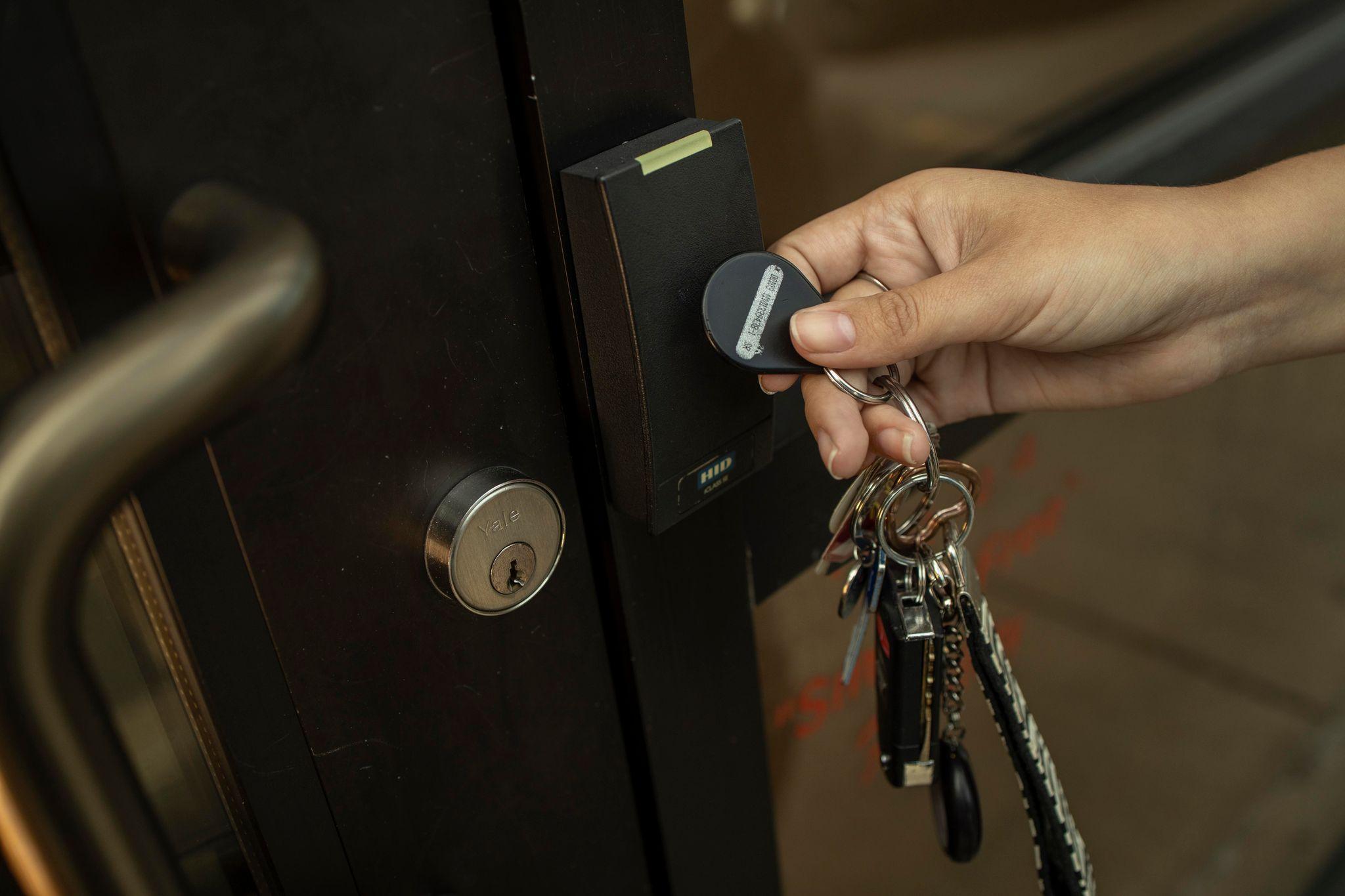
  1. Access Control

    An access control system ensures that only authorized personnel are able to enter your business or certain areas of your facility. Typically, access control systems use ID cards to limit who can enter a section of your building.

  1. Emergency and Exit Lighting

    Emergency and exit lighting allow building occupants to safely exit a building, even when the power is out in your building.

  1. Fire Extinguishers

    It is important to have fire extinguishers placed throughout your facility to be able to extinguish small fires before they grow larger and more uncontrollable. And

  1. Fire Alarms

    Fire alarms are an important part of any life safety systems. Alerting building occupants of a fire early on can help save lives and allow people to safely exit a burning building.

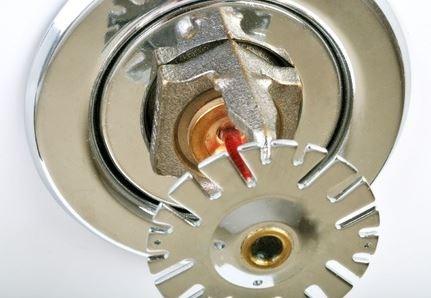
  1. Fire Suppression or Sprinkler Systems

    Installing a fire sprinkler or fire suppression system is one of the best ways to make sure your property and the people inside are protected from fire. These systems suppress or extinguish a fire before it can cause extensive damage.

  1. Alarm Monitoring

    Monitored alarm systems alert the proper authorities when a fire or security alarm goes off. Alarm monitoring gives you peace of mind that your building is protected 24 hours a day, even when it is unoccupied.

Contact Davis-Ulmer for Life Safety Systems

Davis-Ulmer can provide life safety systems for your facilities. We install fire sprinkler, suppression, and alarm systems. We also can provide inspections and testing for your life safety systems to keep them functioning the way that they should be. Our team provides alarm monitoring service so that you have the peace of mind that your facility is protected around the clock. We serve the Northeast United States. Learn more about the life safety systems we provide by contacting us today.

What is a Pre-action Sprinkler System?

A pre-action sprinkler system is a combination of wet and dry pipe sprinkler systems. During normal circumstances, a pre-action sprinkler system is dry, with no water in the sprinkler pipes. When a fire is detected, the pre-action valve which holds the water back is released and water fills the sprinkler pipes. Then each sprinkler head is individually activated to discharge water onto the fire.

How Does a Pre-action Sprinkler System Work?

In order for a pre-action sprinkler system to discharge water onto the flames to control the fire, two important things must happen. First, the pre-action valve must be activated. In order for this to happen, heat, smoke, or flames are detected, and a signal is sent for the electrically operated pre-action valve to release the water. At this point the fire sprinkler system is like a traditional sprinkler with water filling the pipes.

The second step for water release is that each sprinkler head must be activated and opened individually for water to douse the affected area.

Some pre-action sprinkler systems are designed to have pressurized nitrogen or air to keep the water in place in the event of a valve failure or accidental opening. Having pressurized pipes is an added precaution to prevent accidental discharge.

Benefits of Pre-action Systems

The main benefit of installing a pre-action system is the prevention of accidental discharge of the fire sprinkler system. Since the system first needs to fill with water, then have each head individually opened, it is less likely to discharge accidentally. Pre-action systems can also be installed in cold spaces as they do not normally have water in the pipes so freezing is not a concern.

Common Applications for Pre-action Systems

Some places where pre-action systems may be found include:

  • Museums
  • Libraries
  • Freezer warehouses
  • Vaults
  • Data centers
  • Computer rooms

Davis-Ulmer Designs & Installs Pre-action Sprinklers

At Davis-Ulmer, we can design and install pre-action sprinkler systems for your facility. Our team will design a system for your application using the latest BIM technology and install the system in accordance with NFPA standards. Davis-Ulmer provides ongoing inspections and service for pre-action sprinklers to ensure that they are operating correctly and in proper condition. If you are interested in a pre-action system, contact us today!

Fire Sprinkler Retrofits

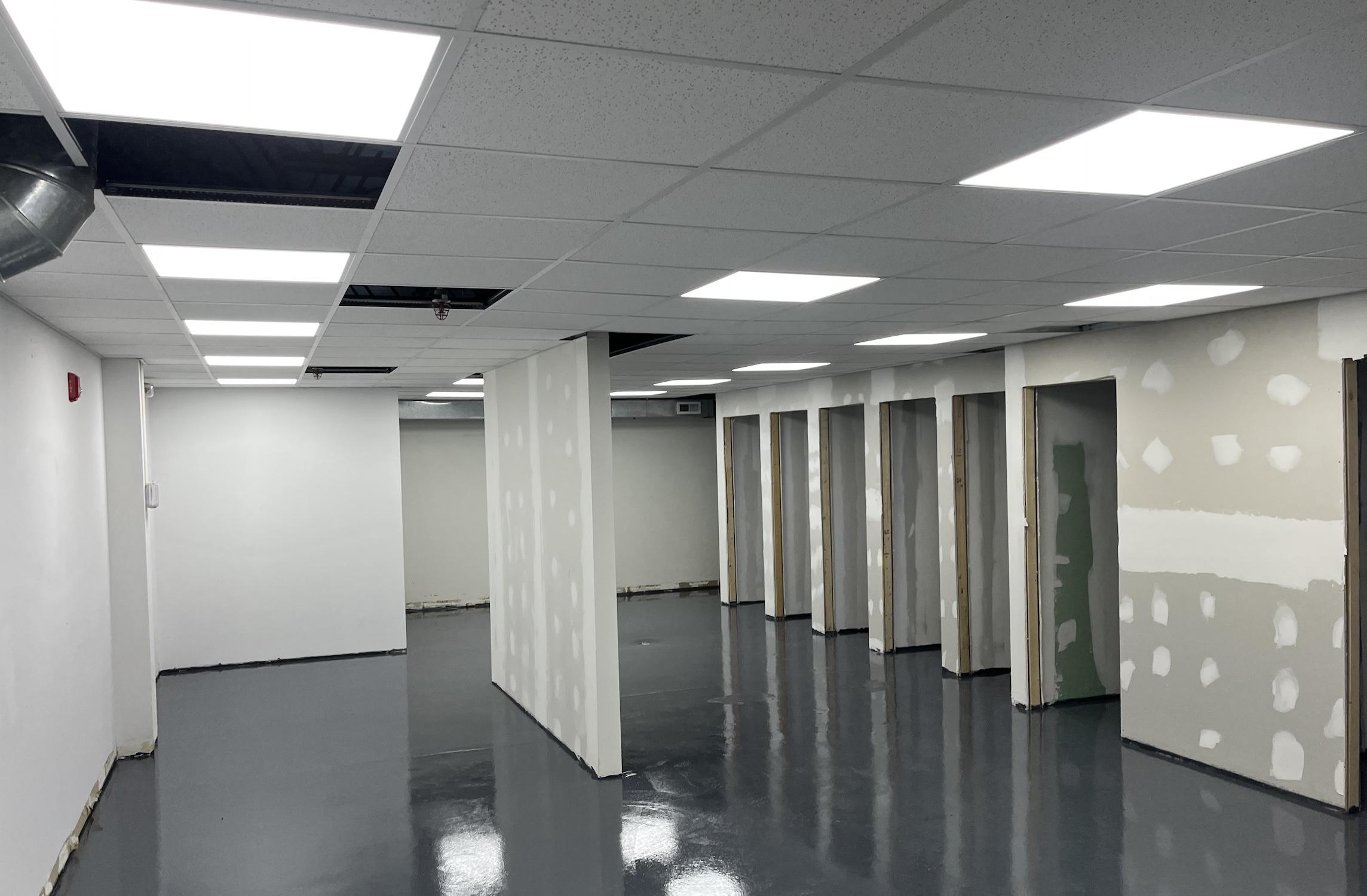
Fire sprinkler retrofits involve installing a fire sprinkler system in an already existing facility. If you have a facility that does not have fire protection installed, it is a good idea to consider a fire sprinkler retrofit to help protect your building’s assets and occupants.

Retrofitting for Fire Code Compliance


With a rise in fire safety awareness, fire code is becoming more stringent about having fire sprinkler systems installed in existing buildings. Your facility may be required by local fire code to have a fire protection system. If you are unsure about the fire code requirements in your area, you can contact a local fire protection professional. Fire sprinkler retrofits can help get your facility in compliance with fire code which will help you avoid fines and enhance life safety.

Tax Incentives for Sprinkler Retrofits

There are now tax incentives in place for small businesses to retrofit fire sprinkler systems in their facilities. The Tax Cuts and Jobs Act allows small businesses to fully expense the installation of a sprinkler system up to $1 million in each year of the expense. If a business must take out a loan to retrofit a sprinkler system, they are able to fully deduct the loan interest.

For larger businesses, retrofits can be fully expensed over the next 4 years. In 2023, the amount that can be expensed will start to taper down. There is no better time than now for a fire sprinkler retrofit.

Retrofits in Challenging Applications

If you think a sprinkler system retrofit would be too difficult in your facility, think again. Fire sprinkler systems can be retrofitted into even the most intricate applications. Buildings that are historically significant can have sprinklers installed while preserving the historic nature of the facility. If you have irreplaceable assets, fire protection is extremely important because it can prevent a fire from ruining them. Many businesses are worried about the disruption to their business that a sprinkler retrofit project may cause. However, many retrofits can be completed with minimal disruption to your business.

Need a Sprinkler System? Work with Davis-Ulmer

At Davis-Ulmer Fire Protection, we have a lot of experience with retrofitting sprinkler systems in challenging applications. We have designed sprinkler systems for high-rise buildings, healthcare facilities, commercial and industrial buildings, and historically significant buildings and museums. We have worked on many projects that require high attention to detail.

We can design and install a sprinkler system that helps to protect the lives and assets in your building. Davis-Ulmer has successfully completed retrofits in buildings with minimal disruption to normal business activity. We also offer inspections, testing, service, and repair for you fire protection systems. If you are interested in a fire sprinkler retrofit from Davis-Ulmer, contact us today!

Inspecting Your Fire Protection System

Maintaining and inspecting your fire protection system are two of the most important things you can do right next to installing one when it comes to protecting your facility in the event of a fire.  Having inspections done on a regular basis is critical to the functionality of your system.  Having a company that is familiar with many types of systems from fire sprinkler systems to fire suppression systems to fire detection systems is also a must.  They have to be able to work with you to maintain your trust that your system will work as well as it was designed to from the beginning.
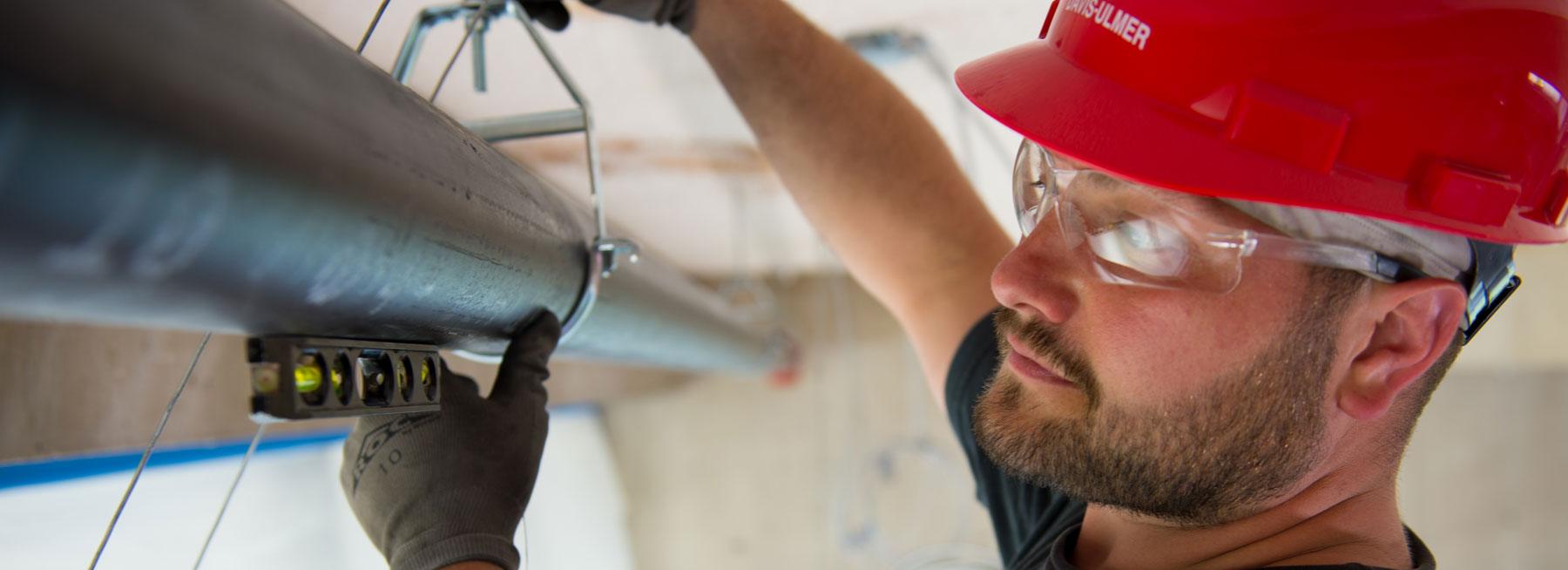
Inspections are done in a variety of ways.  Different systems require different inspection frequencies for any type of fire protection system you have whether it be a kitchen hood fire suppression system, fire sprinkler system, or fire suppression system for a special hazard.  This is very important because there are many factors into why these systems can fail.  Grease build up, dust, corrosion of your pipes or sprinkler heads, the age of the system, and or damage could lead to your fire protection system to not work as designed.  These inspections can be done monthly, quarterly, semi-annually, and or annually.  Most fire codes require some type of frequency for inspections so staying up-to-date on these in highly important.

Having a company that has a 24/7 emergency response team available is also critical in the case of damage to the system or some other type of disaster that requires professional help immediately.  These types of things happen to systems over their lifetime so having a company ready to assist you in maintaining your investment in both your employees, customers, residents, and facility is highly important.

At Davis-Ulmer Sprinkler Company, we have been providing full-service fire protection services for the Northeast since 1946.  Our highly skilled and trained team is ready to help you ensure the integrity of your fire protection systems.  Over time, moving parts wear, screens get plugged, and batteries fail, having us by your side will help avoid these types of issues by being proactive with your inspections and maintenance.  With offices in New York, northern Pennsylvania, and New England, our 24/7 emergency response team can get to even the most remote locations in the Northeast.  Contact us today to set up your maintenance and inspection schedule or give us a call at 716-691-3200

Fire Sprinkler Systems for Long-Term Care Facilities

Does Your Long-Term Care Facility Have The Fire Protection It Needs?

In May, there was a day dedicated to home fire sprinkler systems sponsored by NFPA Sprinkler Initiative and the Home Fire Sprinkler Coalition.  It was a great reminder to everyone the importance of having the fire protection needed to save lives in a long-term care facility.  The Centers for Medicare and Medicaid Services(CMS) have already required all nursing homes that receive Medicare and Medicaid payments to have sprinkler systems installed by the year 2013.  There are also regulations that stipulate that a long-term care facility that is remodeling may have to install a sprinkler system in the remodel area.  It may be coming someday that all facilities that provide long-term care to seniors will be required to have a sprinkler system installed or retrofitted.

Retrofitting A Fire Sprinkler System Into Your Facility

Retrofitting your facility can be a challenge for all parties involved.  First is the disruption it will cause your staff and residents.  Second would be the cost involved.  Third is maintaining the system so it will work when you need it to.  Working with an experienced company is a must when it comes to installing a sprinkler system.  Whether it be in new construction or retrofitting your current facility, it is important that the company you work with has the proper knowledge and certifications to do the job correctly and efficiently the first time.  They should also be able to work with you to make sure you know what the capabilities of the system are and what it will take to properly maintain the system.  They should have an emergency response team that will be able to react to any issue that will come up with your sprinkler system as well.

Fire Sprinkler Systems Give You Valuable Time

According to a report done by the Government Accountability Office, they estimated that an automatic sprinkler system can decrease fire deaths by around 82%.  A fire sprinkler system can help give you precious seconds and even minutes to help get your residents to safety in the event that a fire has started in your facility.  This is important when thinking of the elderly as they might need more help or time getting to safety.  Also having a fire alarm system that is monitored is another great way to get help moving towards your facility as quickly as possible.

At Davis-Ulmer Sprinkler Company, we have been on the front lines of fire protection in the North East since 1946.  We have been designing, installing, and servicing sprinkler systems for residential, commercial, industrial, and governmental facilities for over 70 years.  We are a full-service fire protection company that you can count on to get the job done right as efficiently as possible.  The company’s mission statement speaks for these values: “Be the leading single source fire protection company in the Northeast by providing quality products and services at fair and equitable rates.”  Our emergency response team is only a phone call away 24/7 and will do whatever it takes to ensure your system is working properly again so it will be as effective as first designed to do.  Contact us today to find out how we can help your long-term care facility get the fire protection it needs to help ensure the safety of your residents and staff.

The Importance of a Fire Escape Plan

Fire Escape PlanMost people don’t like to spend much time thinking about what might happen if a fire took place inside of their home or business. However, in the event of a fire, you should have a fire escape plan in place so that your family members or employees know exactly how to exit your home or business safely. It could end up saving their lives, and it could help firefighters to put out a fire more quickly, since they won’t have to worry about rescuing anyone from a burning building when they arrive.

The Importance of Having a Fire Escape Plan

Your fire escape plan should be comprehensive and include several different things. First, you should let all of your family members or employees know of at least two ways to get out of your home or building. If one way is blocked, they should have an alternative route in mind. Your fire escape plan should also include a meeting place outside where you or a supervisor can take attendance and ensure that everyone has made it out of your home or building.

Additionally, your fire escape plan should include some tips and techniques for dealing with a fire in your home or business. Family members or employees should know about the stop, drop, and roll method of dealing with a fire, and they should be updated on where fire alarms and fire sprinklers are located.

Practice Your Fire Escape Plan

While coming up with a fire escape plan is essential, practicing a fire escape with your family members or employees is just as important. They need to be able to escape from your home or building quickly in the event of a fire, so you should practice doing it several times throughout the course of the year. Ideally, you should practice by surprising them with a fire drill, and then you should talk to them about anything they could have done better while exiting your home or building. This information will pay off in the long run if a real fire ever affects them.

Davis Ulmer Fire Protection encourages all home and business owners to put fire escape plans into place. We also encourage them to consider installing fire alarms, fire sprinklers, and other tools that can be used to reduce the impact of a fire. If you would like to find out more about the services we can offer to you, contact us today. Davis-Ulmer is the Northeast’s leading full-service fire protection company for over 70 years.

Things to Teach Your Kids About Fire Safety

In the event of a fire in your home, would your children know how to react? Would they know how to get out of the house as quickly as possible, and would they know what to do in case the closest exit was blocked by the fire? Teaching fire safety to your kids is of the utmost importance. It will prepare them for a fire and let them know exactly what to do if your family is ever forced to deal with the ordeal. Here are some tips for teaching your kids about fire safety:

Start by Showing Your Kids Where Your Home’s Fire Alarms are Located

Most adults have experience with fire alarms. They have either heard one go off at some point or tested one out themselves. But many kids have never been subjected to a fire alarm. So, when one goes off, they often get scared and don’t know what to do next. By showing your kids where your home’s fire alarms or smoke detectors are located and then testing one with them, it will familiarize them with how they work.

Show Your Kids Exactly What to do if a Fire Ever Starts

Unfortunately, many kids don’t know what to do when a fire starts in their home. Their first instinct is usually to try and run through or around it. You can give your kids the confidence to safely maneuver around a fire by teaching them the stop, drop, and roll method and running through different scenarios with them. This will allow them to practice fleeing from a fire on their own.

Set Up a Fire Escape Plan for Your Kids

If a fire ever starts in your home, you will probably respond by trying to locate your kids so that you can escort them outside. But what if you’re not around or you aren’t able to find them? You should have a fire escape plan set up that shows your kids where they should go if a fire starts based on which room they’re in. You should also set up a place to meet outside so that you can all account for one another.

It’s never too early to start talking to your kids about fire safety. It’s also never too early to invest in fire alarms and smoke detectors for your home that will protect you and your family. Davis Ulmer Sprinkler Co can set you up with the fire alarms you need. Contact us today for more information about the services we can offer to you. Davis-Ulmer is the premier full-service fire protection contractor for New York and surrounding areas.