

A Bi-Directional Amplifier, or BDA system, is an essential life safety system that makes sure first responders can send and receive crucial radio messages during an emergency. But it’s one that many people have never heard of. Davis-Ulmer Fire Protection Alarm & Detection Manager Jerrad Carpenter explains the ABCs of BDAs.
Q: What is a Bi-Directional Amplifier?
A: A BDA system broadcasts communication signals through a system of amplifiers strategically located inside large buildings. It’s a crucial system that enhances wireless communication between individual emergency personnel inside the structure, support vehicles positioned outside, 911 call centers, and backup recorders that document communications for use in training later on. These systems prevent any delays, interference, or signal loss that can compromise the lives and safety of first responders and building occupants during an emergency.
Q: In what kinds of buildings are BDA systems necessary?
A: BDA systems are essential in structures with physical features that radio signals might struggle to penetrate, like underground areas or buildings with thick walls. For example, a warehouse that is five stories tall and four million square feet of steel and concrete with very few egress points would need a BDA system to ensure that first responders inside the building could communicate with each other from different areas of the warehouse and with trucks stationed outside.
Q: What happens when a building doesn’t have a working BDA?
A: The most infamous example where the presence of a BDA may have saved hundreds of lives is during the aftermath of the September 11 terrorists attacks. At the time, fire codes didn’t require BDA systems, and the World Trade Center towers did not have an adequate system in place. As a result, first responders could only communicate radio to radio—and never heard warnings from the ground that the buildings were about to fall. The National Fire Protection Association has enacted ordinances requiring minimums levels of coverage for Public Safety communication within new buildings as a result of this tragedy.
Q: How often does a BDA system need to be inspected?
A: BDA systems need to be inspected every year to stay up to code.
Q: Who performs the inspection?
A: Professional inspectors are required to be licensed by the FCC in order to perform annual BDA inspections or to re-certify a system every five years. BDA equipment is proprietary, and inspectors have to be certified to work on that particular manufacturer. These pros undergo annual training and work closely with the local jurisdiction to build relationships with the first responders whose communications systems need to work inside the building.
Q: What happens during a BDA system inspection?
A: During a BDA inspection, the system is assessed, tested, and certified to ensure they comply with safety standards and effectively improve in-building wireless communication for emergency services, first responders, and occupants during critical situations.
During a BDA inspection, specialists evaluate the BDA system’s installation, performance, and adherence to regulatory requirements. They conduct tests to verify signal strength, coverage, and reliability across different frequencies to ensure seamless communication for emergency responders within the building. Inspections may also involve confirming compliance with local fire codes and regulations to guarantee the system’s functionality during emergencies. Regular BDA inspections are crucial to maintain the system’s efficacy and ensure it meets the necessary standards for emergency communication.
Q: Does Davis-Ulmer Fire Protection install and service BDA systems?
A: Yes. We consider flawless emergency communication to be an essential part of a comprehensive safety system along with fire alarms and sprinklers. When companies hire us to do all three, we can make sure all three systems work in tandem to provide optimal protection for the building and the people who live or work within it.
For more information about Bi-Directional Amplifiers and how we can help, contact Chuck Keating at [email protected] or Sean Phillips at [email protected]

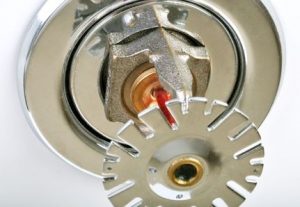 Are you interested in adding to the current value of your home? One of the quickest ways to do it is by installing a residential fire sprinkler system. A typical fire sprinkler system can stop a fire from spreading throughout a home
  As the snow hits us here in Buffalo, New York,
  The Fourth of July weekend has come and gone, and at Davis Ulmer, we hope you had a safe and happy weekend, hanging out with close friends and family. While it’s nice to let loose and celebrate around the holidays, it is prudent that you maintain a level of safety so no one gets hurt. We see this around holidays like the Fourth of July, people getting carried away with good times, but ignoring the possible dangers of fires. No better do we see this in hot, dry areas of the country, like areas out west.
 One of the biggest causes of fires is older, rent-controlled buildings. No better do we see than in the San Francisco Bay area where fires are an all too common occurrence. This has led to concerted efforts on the part of officials to change this awful trajectory and according to a Sfweekly.com article, these officials are hard at work and, in particular, Supervisors Jane Kim and David Campos.
 At Davis Ulmer, we take fire education very seriously and believe that everyone, old and young alike, need to know the ins and outs of fire safety and prevention. Thankfully, the National Fire Protection Association agrees with us. Back in June, they announced it had awarded grants to 16 organizations to fund sprinkler advocacy efforts across North America.
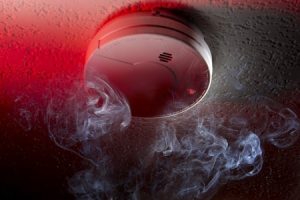 Often the simplest fire detection and prevention tools are the ones that save the most lives, which is my smoke detectors and alarms are so important. However, even if you have multiple detectors installed throughout your property, they are useless unless they are working properly. Even if you believe your detectors are on and working, you don’t want to wait until an actual fire starts to find out. Several times a year you should test your alarms to ensure they are working as intended. Take a look at the following steps to learn how to correctly test your alarm and fix it if it isn’t working.
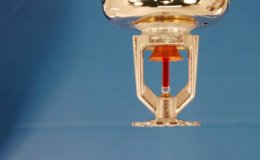 Fires aren’t exactly flooding the streets of Massachusetts, but that doesn’t mean 50 deaths from residential fires in just Massachusetts alone this year isn’t being paid attention to. Among them were plenty of young and disabled or simply couldn’t escape the fires, and it’s because of the highest number of fire deaths in Massachusetts occurring that the state is realizing it needs to do something about fires.