The Most Commonly Used Fire Suppression Systems

If a fire ever breaks out inside your business or in a building you own or operate, you are going to want to have a fire suppression system in place to eliminate the risk of damage and put the fire out as quickly as possible. A fire suppression system can literally be a lifesaver in the event of a fire, and it can give you the peace of mind that comes along with having one installed even if you are never forced to deal with a fire. There are several different types of fire suppression systems on the market today. Take a look at the three most common types of fire suppression systems below.

Water

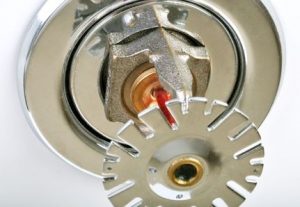
A fire suppression system that relies on water is the most common type of fire suppression system, and most people choose to have them installed in businesses and buildings. You can choose from either an automatic sprinkler system that will turn on as soon as it senses smoke, heat, or fire—or a manual sprinkler system that needs to be turned on in order to start working. Both can be effective during a fire.

Some common types of water-based sprinkler systems include:

  • Traditional wet pipe sprinkler systems
  • Dry pipe sprinklers
  • Pre-action fire sprinkler systems
  • Deluge sprinklers

Chemical Agents

While most people choose to go with a fire suppression system that uses water to put out fires, there are also several chemical agents that can be used to get the job done. Potassium carbonate is one chemical agent that can be used to put out a fire. It’s a wet chemical that is often found inside of fire extinguishers.  There are also some dry chemicals that can be used in fire suppression systems.

Inert Gasses

Once a fire starts, it needs a steady supply of oxygen to spread. Inert gasses like argon and purified nitrogen can be used to choke out a fire by cutting it off from oxygen in the air. There are some companies that will install fire suppression systems that use inert gasses since water can often cause damage to electrical equipment, furniture, and more. Inert gas fire suppression systems are defined as using one or more of the gasses nitrogen, argon or helium.

Regardless of which type of fire suppression system you ultimately choose to go with in your business or building, technicians from the DU Family of Companies can help you install it. We have experienced fire suppression system installers who can set you up with the best system for your specific property right away.

ANSUL® INERGEN® Fire Suppression Systems

ANSUL® INERGEN® is a clean agent fire suppression system that protects enclosed areas. These systems protect assets and property that would be damaged by conventional suppression agents. INERGEN® systems use naturally occurring gases to suppress fires: nitrogen, argon, and carbon dioxide. These gases return to the atmosphere in their naturally occurring state after discharge. When a fire occurs, the agent floods the area and lowers the amount of oxygen present so that combustion cannot occur.

Benefits of INERGEN® Systems

INERGEN® systems provide many benefits including:

  • Leaves no residue behind and is not corrosive
  • Quick and effective
  • Nontoxic, safe to use in occupied areas
  • Causes no damage to assets and property
  • Environmentally safe, no ozone depleting potential and no global warming threat
  • Electrically nonconductive
  • Does not produce fog, escape routes remain visible
  • Requires no clean up after discharge
  • Effective on Class A, B & C fires
  • Doesn’t take up a lot of floor space, cylinders can be placed remotely

Applications That Can Benefit from INERGEN® Fire Suppression

Some common applications that can benefit from ANSUL® INERGEN® systems include:

  • Computer rooms
  • Data centers
  • Cultural and historical sites
  • Medical facilities
  • Offshore facilities
  • Art galleries and museums
  • Power generation facilities
  • Telecommunications facilities
  • Archives
  • Libraries
  • Machinery spaces
  • Refineries

Davis-Ulmer Installs & Services INERGEN® Systems

Davis-Ulmer Fire Protection installs and services ANSUL® INERGEN® fire suppression systems in New York State. We can help protect applications where traditional water-based fire sprinkler systems are not suitable. Our team can provide inspections, testing, repairs, and emergency service for a variety of fire suppression systems including INERGEN® systems. To learn more about the services we provide, contact us today.

What is Novec 1230 Fire Suppression?


Novec 1230™ is a fire suppression fluid manufactured by 3M. It is a clean agent fire suppressant that also can be referred to as the SAPPHIRE fire suppression system. Novec 1230™ was developed as a replacement for halon systems and an alternative to hydrofluorocarbons. Novec 1230™ fluid is a fluoroketone.

How Does Novec 1230™ Work?

Novec 1230™ can extinguish a fire before in even starts. This system uses fire detection to detect a fire in its incipient stage and put it out within seconds. In a Novec 1230™ system, the fluid is stored in pressurized cylinders. The fluid is released as a gas when a fire is detected. It puts out the fire through heat removal.

Why Choose Novec 1230™?

A Novec 1230™ provides many benefits to applications with sensitive equipment. Some benefits to choosing Novec 1230™ include:

  • Fast reaction time, can extinguish a fire before it even starts
  • Safe to use in occupied areas
  • Works on Class A, B and C fires
  • Environmentally friendly
  • Does not damage sensitive equipment or valuable assets
  • No clean-up required
  • Minimal downtime after a fire
  • Not electrically conducive

Common Applications

Some common applications where Novec 1230™ systems can be found include:

  • Data centers
  • Computer rooms
  • Electrical control rooms
  • Museums
  • Historical archives
  • Art galleries
  • Telecommunication faculties

Install a Clean Agent System with Davis-Ulmer

Davis-Ulmer designs and installs Novec 1230™ fire suppression systems in facilities with sensitive equipment or irreplaceable assets. In addition to Novec 1230™, we also install other clean agent fire suppression systems such as FM-200 and Inergen. Our team of engineers and designers will come up with the best fire suppression solution for your facility. We are a full-service contractor which means we can perform fire protection system design, installation, inspections, testing and 24-hour emergency service. If you are interested in learning more about Novec 1230™ system installation and design, contact us today!

FM 200 Fire Suppression

FM 200 is a form of clean agent fire suppression that can be used in areas where water cannot. FM 200 is a common fire suppressant because it is fast, safe and effective.

What is FM 200?

FM 200 fire suppression is a clean agent extinguishes a fire through heat absorption. It is a heptafluoropropane. FM 200 is stored as a liquid in cylinders that are pressurized and when it’s discharged it vaporizes. After being discharged, it quickly extinguishes a fire, leaving behind no residue.

Benefits of FM 200 Suppression

There are many benefits of choosing FM 200 for fire suppression that make it a great option for many properties. Some benefits include:

  • Fast reacting
  • Leaves behind no residue
  • Does not harm sensitive equipment
  • Highly effective
  • Electrically non-conductive
  • Safe for humans
  • Can be used in many applications
  • Does not require costly clean up
  • Discharges quickly
  • Accepted replacement for Halon 1301

Where Is FM 200 Used?


FM 200 fire suppression is a common choice for fire suppression in properties where water is not an option. It is used in buildings with sensitive equipment or valuable assets that could be ruined by water. Some common places FM 200 is used are data centers, telecommunications facilities, computer rooms, museums, historical archives, art galleries and record storage facilities.

Contact Davis-Ulmer for Fire Suppression

Davis-Ulmer Fire Protection designs and installs fire suppression systems. We can design an FM 200 fire suppression system that fits the needs of your facility. Our technicians will install the system as well as provide ongoing service.

At Davis-Ulmer, provide inspections, service and repairs for fire suppression systems. We want to help you remain in compliance with NFPA and local code and give you the peace of mind that your facility is protected. Set up a service plan with us for regular inspections and service of your system. We provide 24 hour emergency service for unexpected problems.

Contact Davis-Ulmer today to learn more about FM 200 systems and the services we provide!

What is Clean Agent Fire Suppression?

A clean agent is the use of inert gases or chemical agents to suppress a fire. Clean agents are a good choice for fire suppression because they leave no residue behind, causing little clean up and no damage to sensitive equipment or assets.

Benefits of Clean Agents


There are some instances where traditional fire sprinklers may not be the best option for putting out a fire. In these situations, a fire suppression system that does not use water is needed. Luckily, clean agent suppression uses gases to put out a fire, either by cooling the flames or by displacing the oxygen that the fire needs to burn. The benefits of using a clean agent system include:

  • Fast discharge
  • Leave no reside, little to no clean-up after a fire
  • Less downtime, saving you money
  • Environmentally friendly
  • Cause no water damage
  • Safe to use around humans

Due to their many benefits, clean agent systems are used in many applications. Some applications include telecommunications and server rooms, art galleries, document storage, data centers, and museums.

Types of Clean Agent Fire Suppression

The three most common types of clean agent fire suppression systems are:

  • FM200
  • Novec1230
  • Inergen

These systems all have the same similar benefits that clean agent systems have, but they suppress fires in different ways. The FM200 extinguishes a fire mainly through heat absorption while the Inergen and Novec 1230 systems displace oxygen to suppress the fire. FM200 and Novec1230 suppressants are stored as a liquid and become vaporized as they are discharged. The Inergen system contains inert gases such as nitrogen, argon, and carbon dioxide.

Install a System with Davis-Ulmer

Davis-Ulmer installs clean agent fire protection systems in facilities throughout the Northeast United States. We can help protect your sensitive assets from fire and water damage. We have experience working with many types of systems including FM200, Novec 1230, and Inergen systems. Davis-Ulmer will work with you to determine which type of suppression is right for your application and design a complete fire protection system. We provide inspections and service for all your fire protection systems. Request a quote for your fire suppression system from Davis-Ulmer today!

Data Center Fire Protection

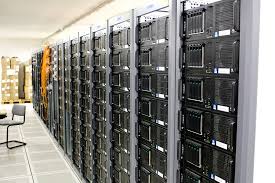
A data center is an important part of businesses and organizations. Without data centers, many businesses would not be able to function properly. Having fire protection systems in place to prevent fire damage to data centers is necessary to keep companies running smoothly.

What is a Data Center?

A data center is a place where a network of computer systems and components are housed. Data centers store, process, and distribute large amounts of data. Many business activities are reliant on information that is received from data centers and any downtime caused by a fire can cause detriment to a business.


Gaseous Fire Suppression

Due to the importance of data centers in day-to-day operations of many organizations, a fire protection system must be installed in these facilities. In many data centers, a gaseous fire suppression system is preferred over traditional sprinkler systems. Traditional sprinkler systems use water to put out fires. In some cases, water can cause irreparable damage to the equipment in data centers, causing as much damage as a fire itself.

Gaseous fire suppressants are often used in data centers because they do not cause water damage and can put out a fire with little to no downtime for data centers. There are many different types of fire suppressions that can be used including:

  • FM 200: A clean, colorless fire suppressant agent that leaves behind no residue and acts quickly in the event of a fire.
  • Novec 1230: A clean agent fire suppressant that leaves behind no residue and is electrically non-conductive.
  • Inergen: Uses a mixture of nitrogen, argon, and carbon dioxide to put out fires quickly.

There are many options for fire suppression systems in data centers. If you are unsure which system is right for your application, reach out to a fire protection professional and ask for their advice. You should install a system that will limit damage to your facility, protect the lives of employees, and comply with regulations. Your fire protection system should comply with NFPA 75, the Standard for the Fire Protection of Information Technology.

Fire Protection from Davis-Ulmer

Need a clean agent fire suppression system for your data center? Davis-Ulmer can help you to determine which fire protection system will provide the most protection for your facility. We understand how important your computers and data are to your organization which is why we can design a system that will help prevent fire damage to your important assets. We can install a variety of gaseous fire suppression systems including FM200, CO2, Inergen, and Novec 1230. Davis-Ulmer can also service your fire protection system by providing inspections, testing, and repairs. If you are interested in learning more about fire suppression systems from Davis-Ulmer, contact us today.

Foam Fire Suppression for Aircraft Hangars

Fire protection systems are necessary to protect many types of buildings, and aircraft hangars are no exception. Aircraft hangars need fire suppression, typically foam fire suppression, to protect both the hangar and the valuable equipment inside of it.

Aircraft Hangars: A Unique Fire Protection Challenge

Aircraft hangars pose a unique challenge from a fire protection standpoint. Hangars often have large quantities of highly flammable fuel that is at risk of igniting. Also, the airplanes with large bodies and wings create obstructions that make typical fire protection systems inadequate at putting out fires. The challenge with aircraft hangar fire protection systems is to design a system that will work around the obstructions and quickly put out a fire to protect the expensive airplanes and the lives of people.

foam suppression aircraft hangar

Aircraft Hangar Fire Code

NFPA 409, the standard on fire protection for aircraft hangars, divides aircraft hangars into 4 groups. Aircraft hangars are classified based on building dimensions, construction, door height, and the types of hazardous materials present. NFPA 409 specifies the types of fire protection systems that should be used for an aircraft hangar, depending on the group it falls under.

In addition to NFPA 409, there may be additional requirements a hangar has to comply with such as insurance company requirements or local fire code. Air Force, Army, Marine Corps, and Navy facilities have additional standards for aircraft hangar fire protection.

Foam Fire Suppression Systems

Although there is no one size fits all system for aircraft hangar fire protection, many aircraft hangars use foam fire suppression systems. Foam fire suppression is an effective choice for many aircraft hangars because when these systems are activated, they release a blanket of foam that protects the flammable fuel from combusting.

Fire suppression foam is made up of foam concentrate, water, and air that mixes together to create a blanket of foam. Foam puts out fires through cooling the flame, suppressing vapors, and smothering.

Install a Foam System

At Davis-Ulmer, we can design and install foam fire suppression systems to meet the needs of your facility. We can install a system that complies with NFPA 409 and will protect your facility the most effectively. Davis-Ulmer has technicians that inspect, test, and repair foam fire suppression systems. If you are unsure if foam fire suppression is right for your facility, contact Davis-Ulmer today and we can determine which system will work best for you.

How a Residential Fire Sprinkler System Adds Value to the Home

home fire sprinklersAre you interested in adding to the current value of your home? One of the quickest ways to do it is by installing a residential fire sprinkler system. A typical fire sprinkler system can stop a fire from spreading throughout a home in about 90 seconds and help you avoid major damage to your home. However, outside of making your home substantially safer, a fire sprinkler system will also be a very valuable feature when you go to sell your home one day, which is why you should consider installing one.
Home fire sprinklers cost on average $1.35 per square foot. This is comparable in cost to carpet upgrades, paving stone driveway or a whirlpool bath.

24/7 PROTECTION FROM FIRES

Some homeowners shy away from installing fire sprinkler systems in their homes because they believe they could ultimately do more harm than good. This could not be further from the truth. Today’s residential sprinkler systems are designed to protect homes 24/7/365 and feature a series of sprinklers strategically placed throughout homes and connected by plastic pipes that are tied into a home’s water main or a storage tank.

Sprinklers are temperature-sensitive and are set to spring into action when a part of your home reaches between 135 and 165 degrees Fahrenheit, and despite what you may have heard, only the sprinkler or sprinklers closest to a fire will go off, so you will not have to worry about your entire home getting wet during a fire. Furthermore, smoke, steam, and cooking vapors will not be a cause for concern, as they will not result in your fire sprinkler system turning on. Fire sprinkler heads can be recessed, have cover plates or be custom colored to fit the aesthetic of your home.

FIRE SPRINKLER SYSTEMS SAVE LIVES AND PROTECT HOMES

More and more people are putting residential fire sprinkler systems into their homes to keep their families, their possessions, and their properties as safe as they can be. You can install one in your home today and get an excellent return on your investment one day when you decide to sell your home. To get more information about residential fire sprinkler systems, call Davis Ulmer at 877-691-3200 to learn about the options for your specific home.

Davis-Ulmer Fire Protection is a full-service fire protection company that works with properties all over the Northeast region of the United States.

Prevent Your Sprinkler System From Freezing This Winter

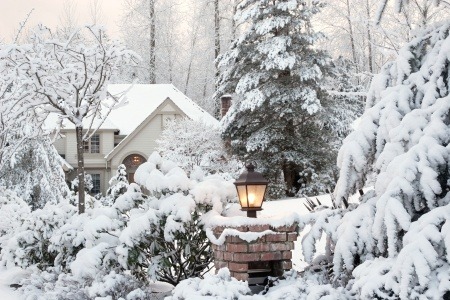
winterize your home and sprinkler systemAs the snow hits us here in Buffalo, New York, Davis Ulmer would like to remind our customers to check on the sprinkler systems in their homes and businesses to ensure that pipes are properly protected and heated from the elements. Less than two weeks ago, a sprinkler system in Plainsview, Texas burst after roofers failed to finish installing the roof’s trim before a winter storm hit. Exposed to freezing temperatures, the sprinkler system’s pipes burst, leaving the building drenched in two inches of water. To ensure an accident like this doesn’t happen to you, there are a few precautionary measures to take when the weather gets cold.

Check Your Heating System

Ensure the water running through your sprinkler system does not freeze this winter by checking your heating system as the weather gets cold. Regular maintenance is an important part of running your home or business and winter is the most important time to have your furnace in top shape. While you are checking the heat, also look around your establishment for cracks in windows and drafty areas. Seal up any gaps you find to keep your property warm and safe throughout the coldest months of the year.

Keep Temperatures Up

Even if you aren’t in the office on weekends, it is important to keep the heat running at your business. Buildings with wet sprinkler systems should not allow their temperatures to drop lower than 40 degrees Fahrenheit, so switch your thermostat to low instead of switching it off when you go home on Friday night.

Schedule a Winter Maintenance Appointment

Haven’t gotten around to your sprinkler system’s annual maintenance check? Now is the perfect time to have it looked over to ensure that everything is functioning properly and there are no chances of pipes freezing. To set up your winter appointment, contact us online or give us a call at 877-691-3200. We work with customers in New York, New Jersey, Connecticut, and Pennsylvania.

Global Fire Sprinkler Market Set to Expand

When looked at on a global scale, the fire sprinkler market has a value of $7.5 billion as recently as 2014. However, analysts predict that number will grow to $15.19 billion by 2022, a span of only eight years. What’s contributing to this predicted growth? There are quite a few reasons why this expansion makes perfect sense, and the news is good for everyone.

Today, most fire sprinkler systems can be found in commercial buildings, manufacturing plants, mining operations, and other related areas. While there are sprinkler systems in some residential properties, the amount of commercial applications far outweighs the number of sprinklers in people’s homes. That could be set to change in the coming years.

New government mandates combined with increased awareness are working together to bring more fire sprinklers into residential properties than ever before. This is not only taking place across the United States but much of Europe and Asia as well. Currently, the U.S. does however make up the largest portion of the fire sprinkler industry, and that is not set to change by 2022.

TECHNOLOGY HELPS DRIVE FIRE SPRINKLER GROWTH

Technological advancements that are making fire sprinkler systems easier to make, install, and manage are also helping to drive growth in this industry. In just seven years new technology could radically change the way modern sprinkler systems are made and used. We’ll be sure to keep you updated about any new changes in the industry and what they mean for property owners around the world. We’re happy to hear that sprinkler systems are only going to be more popular in the next decade.

For all your fire sprinkler needs or questions, contact Davis-Ulmer Sprinkler Company today!  We are your full-service fire sprinkler company serving New Jersey, Connecticut, Pennsylvania, and New York.