Key Considerations for Retrofitting Fire Sprinkler Systems

Retrofitting an existing fire sprinkler system is one of the most effective ways to strengthen a building’s fire protection. Whether you’re renovating an older property, changing how a space is used, or updating your building to meet current codes, understanding the retrofit process helps you plan with confidence.

This guide outlines the essentials of fire sprinkler retrofits—helping property owners, facility managers, and industry professionals make informed decisions that improve safety and ensure compliance.

Understanding Fire Safety Retrofitting

Retrofitting means adding or upgrading a fire sprinkler system in an existing building. Many older structures were not built with modern sprinkler requirements in mind, and changes in occupancy or layout often require updates. The goal is simple: improve life safety, protect property, and meet today’s building and fire code standards.

Retrofitting plays a critical role in high-rise buildings, historic properties, and any structure that houses large groups of people. In these settings, reliable fire protection is both a safety responsibility and a regulatory requirement.

Why Sprinkler Retrofitting Is Crucial

  1. Improve Life Safety
    Sprinklers control fires early, giving occupants more time to escape and increasing survival rates—especially in buildings built before sprinkler systems were common.
  1. Protect Property
    A well-designed sprinkler system detects and suppresses fires before they spread, reducing damage and helping preserve valuable assets.
  1. Ensure Code Compliance
    Retrofitted systems help building owners meet current fire safety standards and reduce legal and regulatory risks.
  1. Lower Insurance Costs
    Many insurers offer reduced premiums for buildings with compliant sprinkler protection.
  1. Preserve Historical Structures
    Modern sprinkler designs blend into historic architecture, protecting buildings without damaging their character.
  1. Support Community Safety
    Widespread sprinkler use helps prevent fire spread beyond the building of origin, protecting neighboring properties.

The Sprinkler Retrofitting Process: Step-by-Step

  1. Initial Assessment & Water Supply Analysis 
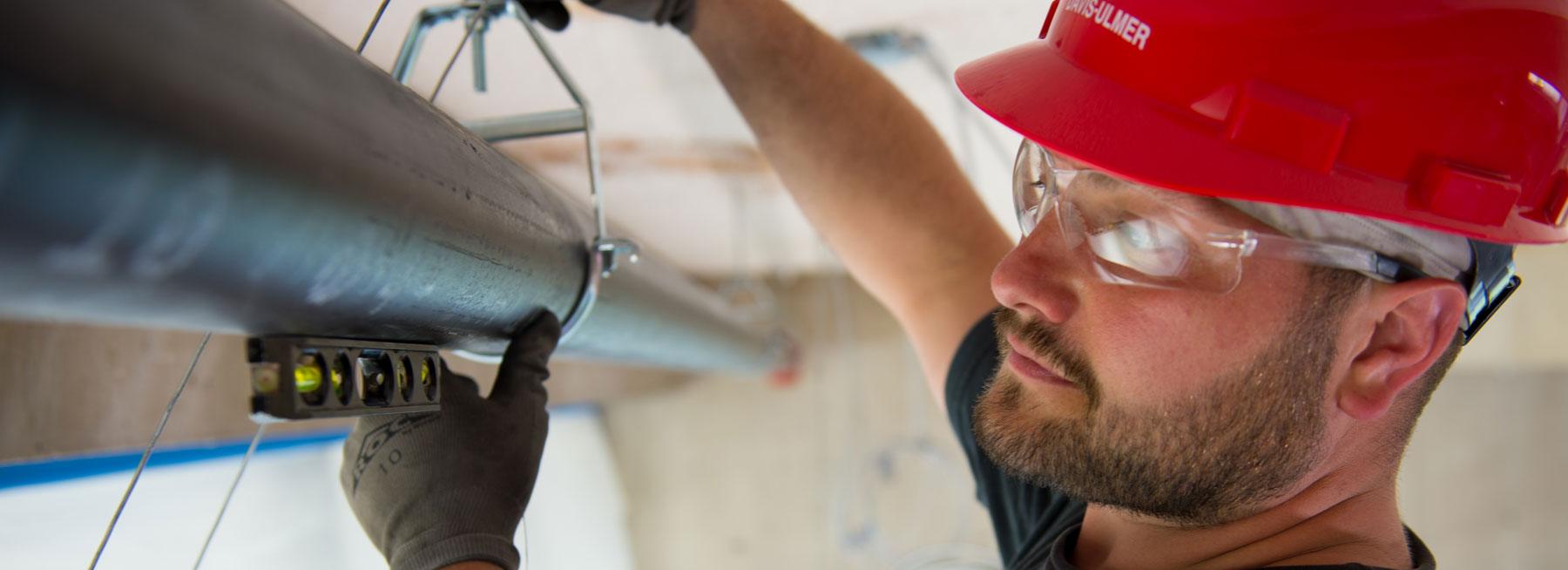
    Hire a fire protection engineer to inspect the building and identify gaps in fire protection by reviewing layout, occupancy, hazards, and existing systems. They will also evaluate the water supply to ensure it can support the new system, recommending upgrades to pumps or piping if needed.
  1. Design and Planning
    Create a tailored sprinkler design based on occupancy type, structural conditions, and code requirements. Finalize drawings and project specifications.
  1. Regulatory Compliance
    Submit plans to the appropriate authorities. Secure all needed permits before work begins.
  1. Installation
    Install piping, sprinkler heads, valves, and supporting components according to approved plans.
  1. Testing
    Perform flow, pressure, and operational tests to confirm that the system works as designed.
  1. Commissioning
    Place the system into service after verifying compliance with codes and regulatory requirements.
  1. Documentation
    Maintain accurate records, including as-built drawings, inspection results, and equipment specifications.

How to Future-Proof Your Sprinkler Retrofit

Planning ahead can save time, money, and disruptions later.

  1. Plan for Growth
    Choose a layout that allows for future expansion. This makes it easier to add sprinkler heads or zones if your occupancy or layout changes.
  1. Ensure Accessibility
    Install piping and components where technicians can easily reach them. Accessible systems simplify maintenance and reduce downtime during future upgrades.

Final Thoughts

Retrofitting an existing fire sprinkler system is more than a code requirement—it’s a long-term investment in the safety and resilience of your building. With thoughtful planning and professional guidance, you can enhance protection, reduce risk, and create a safer environment for everyone.

If you need support with sprinkler system retrofits, contact us for expert assistance and solutions. https://www.davisulmer.com/contact-us/

For even more information, check out this Retrofit Guide from NFSA: https://nfsa.org/wp-content/uploads/2023/01/2021.10-Retrofit-Guide-4th-Ed.pdf

Fire Extinguishers: Holiday Safety Tips and Inspection Information

While festive gatherings are a time for joy, they can also increase fire hazards in homes and workplaces. December is the perfect opportunity to discuss the critical role fire extinguishers play in fire safety and why regular inspections and maintenance are crucial.

Empowering Everyday Heroes: The Importance of Extinguishers

Fire extinguishers are more than just safety equipment; they make everyone a potential hero. Unlike smoke alarms and sprinkler systems, which activate automatically, extinguishers are tools anyone can use in an emergency. Having the knowledge and confidence to operate a fire extinguisher can mean the difference between extinguishing a small fire or a minor incident escalating into a tragedy.

Annual Extinguisher Inspections Are Lifesaving

Annual inspections are not bureaucratic red tape; they are a vital part of building safety. Local jurisdictions require these annual inspections to be documented by a qualified fire extinguisher technician to ensure all safety equipment is functional. The annual inspections are required along with the monthly inspections. Monthly inspections being performed onsite require a lesser level of experience – anyone trained to recognize obvious extinguisher damage, missing parts, or problems can help.
If you don’t inspect your fire extinguishers, they may not perform when needed. Unfortunately, we often forget or ignore fire extinguishers until they are desperately needed. Regular checks are essential to ensure reliability. During inspections, technicians frequently find extinguishers hidden behind desks or seasonal decorations, making them difficult to access in an emergency. Place your extinguishers where someone can reach them quickly.

The Critical Six-Year Maintenance for Fire Extinguishers

Another crucial aspect of fire extinguisher maintenance is the mandatory six-year inspection for many types of units. Over time, extinguishers can age, leading to issues such as rust, seepage, or dry-rotting hoses that can render them ineffective. Six year maintence is code mandated and essential; it resets the extinguisher’s reliability clock, ensuring the inside agent and components are in good condition which gives you peace of mind that it will work when called upon.

Seasonal Risks and the Speed of Holiday Fires

  • December can be treacherous when it comes to fire safety. Increased use of space heaters, the presence of dry Christmas trees, and the risk of overloaded extension cords can all contribute to fire hazards. In addition, holiday cooking and decorating often lead to distractions, further increasing the risk. Let’s not overlook fire extinguishers this month or any other. Their accessibility and functionality could potentially save lives.
  • Another alarming fact to consider is that holiday fires can spread much faster than many people realize. For instance, a Christmas tree fire can escalate in under a minute, creating a catastrophic situation in mere moments. This reality underscores the importance of fire extinguishers being in proper working order and easily accessible.

Building Managers: Protect What You Value Most

For building managers, December is not only about festivities but also a time to ensure compliance before the new year. By working with a licensed contractor, including our trained professionals at any DU Family of Companies branch, you can align with National Fire Protection Association (NFPA) standards and local codes. We will ensure that the appropriate type of extinguisher is in the correct location, with proper placement, distance, and tagging.

As we embrace the holiday spirit, let’s also commit to fire safety. Regular maintenance of fire extinguishers is not just an obligation but a vital practice that protects everyone. Contact your local DU Family of Companies branch today to schedule your inspections and ensure your fire safety equipment is ready when you need it most.

Stay safe and enjoy a festive season!

The Most Commonly Used Fire Suppression Systems

If a fire ever breaks out inside your business or in a building you own or operate, you are going to want to have a fire suppression system in place to eliminate the risk of damage and put the fire out as quickly as possible. A fire suppression system can literally be a lifesaver in the event of a fire, and it can give you the peace of mind that comes along with having one installed even if you are never forced to deal with a fire. There are several different types of fire suppression systems on the market today. Take a look at the three most common types of fire suppression systems below.

Water

A fire suppression system that relies on water is the most common type of fire suppression system, and most people choose to have them installed in businesses and buildings. You can choose from either an automatic sprinkler system that will turn on as soon as it senses smoke, heat, or fire—or a manual sprinkler system that needs to be turned on in order to start working. Both can be effective during a fire.

Some common types of water-based sprinkler systems include:

  • Traditional wet pipe sprinkler systems
  • Dry pipe sprinklers
  • Pre-action fire sprinkler systems
  • Deluge sprinklers

Chemical Agents

While most people choose to go with a fire suppression system that uses water to put out fires, there are also several chemical agents that can be used to get the job done. Potassium carbonate is one chemical agent that can be used to put out a fire. It’s a wet chemical that is often found inside of fire extinguishers.  There are also some dry chemicals that can be used in fire suppression systems.

Inert Gasses

Once a fire starts, it needs a steady supply of oxygen to spread. Inert gasses like argon and purified nitrogen can be used to choke out a fire by cutting it off from oxygen in the air. There are some companies that will install fire suppression systems that use inert gasses since water can often cause damage to electrical equipment, furniture, and more. Inert gas fire suppression systems are defined as using one or more of the gasses nitrogen, argon or helium.

Regardless of which type of fire suppression system you ultimately choose to go with in your business or building, technicians from the DU Family of Companies can help you install it. We have experienced fire suppression system installers who can set you up with the best system for your specific property right away.

Fire Sprinkler Corrosion

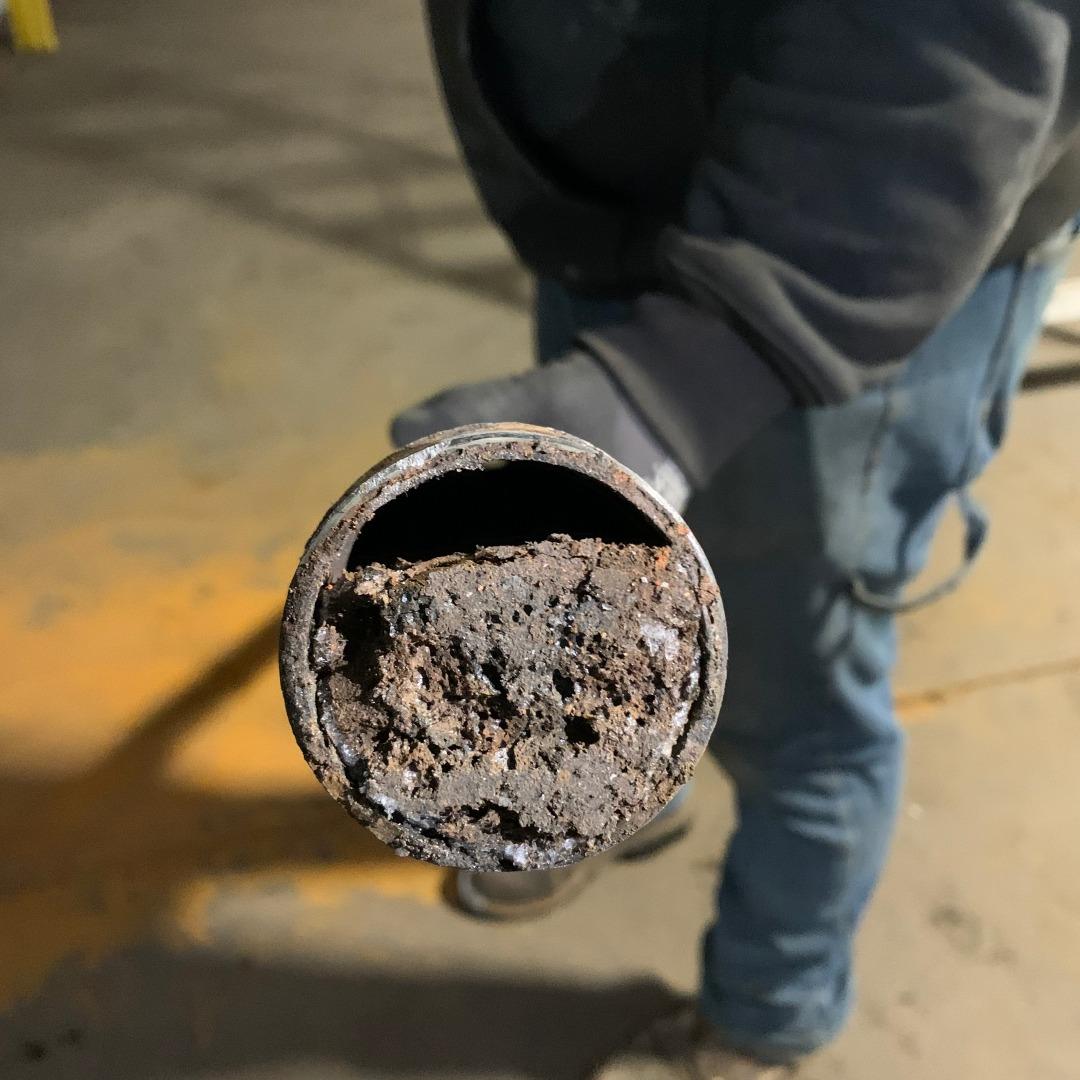
Corrosion can occur within a fire sprinkler system one of two ways. Either the combination of water and oxygen present or microbes found in untreated water that can attack the metal pipes. This can happen anywhere in the system and can be difficult to spot as there are many parts that aren’t seen in a visual inspection. When corrosion occurs the functionality of the sprinklers can be impaired, impacting the safety of your building and occupants. 

Corrosion Maintenance

Keeping your fire sprinkler system well maintained is imperative to preventing corrosion! The DU Family of Companies offers both corrosion testing and maintenance. If you suspect corrosion or if you want to ensure your system is clear, request a quote online today! Corrosion can become a costly issue if not resolved in the early stages and can inhibit the effectiveness of your system if activated. 

Wet Pipe System Corrosion Prevention

In order to prevent corrosion in wet pipe sprinkler systems, nitrogen gas is blown into the piping to dilute the oxygen levels before they are filled again with water. This will reduce the amount of oxygen present, decreasing the risk of corrosion. 

The water in your pipes, or the pipes themselves can also be treated to reduce the amount of microbes present that can cause damage to the metal. This will reduce the risk of contaminated, stagnant water causing corrosion issues. 

Dry Pipe System Corrosion Prevention

Similar to wet pipe systems, dry pipes are also at increased risk of corrosion when oxygen and water is present. Nitrogen can be blown into the pipes to displace oxygen, completely removing it, which will both reduce the risk of corrosion and protect pre-action systems from water accumulation when not active. 

Schedule Corrosion Maintenance 

Our team of technicians will inspect your system on a regular or as needed basis and perform any required maintenance to ensure your sprinklers are both functional and safe. Contact us today to schedule a maintenance appointment.

Common Types of Fire Sprinkler Systems

There are 4 common types of fire sprinkler systems that can be used to save lives and protect your property. The type of fire sprinkler system that is installed in your facility will vary depending on the type of application you have and the hazards you need to protect. Fire sprinklers are one of the most effective and common forms of fire protection. The 4 most common types of fire sprinkler systems are:


  1. Wet Pipe Fire Sprinklers
  2. Dry Pipe Fire Sprinklers
  3. Deluge Systems
  4. Pre-action Sprinklers

Wet Pipe Fire Sprinklers

Wet pipe fire sprinkler systems are the traditional and most common type of sprinkler system. This type of system is called a wet sprinkler because water is contained within the sprinkler pipes. A wet pipe sprinkler system is a great option for applications in need of a simple, basic fire protection system. It is a versatile option that works well in a wide variety of applications, and they are easy to install and maintain.

Dry Pipe Fire Sprinklers

A dry pipe sprinkler system differs from a wet pipe system because the pipes do not contain water. The pipes contain either pressurized air or nitrogen. The water is held back from entering the pipes until a fire is detected and the system is activated. Dry pipe sprinkler systems are a great option for applications that have freezing temperatures such as unheated warehouses.

Deluge Sprinkler Systems

Deluge sprinkler systems are typically installed in high hazard facilities because they can discharge a high volume of water on a fire quickly. In a deluge fire sprinkler system, the sprinkler heads are open at all times. The pipes do not contain water and the water is held back by a valve until a fire is detected. When a fire occurs, the valve will open, water will flow through the pipes and through all the open sprinkler heads to release a total flood and suppress the fire.

Pre-Action Sprinkler Systems

A pre-action sprinkler system requires a two-step process to activate. In a pre-action system, the sprinkler pipes are dry, and water is held back by a pre-action valve. When a fire is detected, the pre-action valve opens and water flows into the sprinkler pipes. Next, each fire sprinkler head must be activated and opened individually to release water onto the affected area. This type of sprinkler system is a great option for water sensitive environments because they have a reduced risk of accidental activation.

Davis-Ulmer Provides Service for Fire Sprinkler Systems

Davis-Ulmer Fire Protection designs, installs, inspects, and repairs fire sprinkler systems. Our technicians have experience working with all types of sprinkler systems including wet pipe, dry pipe, deluge, and pre-action systems. We can install the type of system that works the best for your application and provide service to help keep your systems compliant and fully functional. To learn more about our services, contact us today!

Why You Should Install Fire Sprinklers in Your Home

Considering installing a fire sprinkler system in your new or existing home? Fire sprinkler systems can help save lives and protect your property from a fire. There are many reasons why sprinkler systems are beneficial to have in your home. Some of these reasons include:

1. Fire Sprinklers Save Lives

According to the NFPA, the civilian death rate was 81% lower in homes with fire sprinklers than in homes that were not sprinklered. Also, the firefighter injury rate was 80% lower in fires that had fire sprinklers present. Having a sprinkler system in your home could save the lives of your loved ones if a fire occurs.

2. Fire Sprinklers Buy Critical Time

According to the Home Fire Sprinkler Coalition, a fire in your home could become deadly in 3 minutes or less. That is not a lot of time for you to make sure you and your family can get out of the house safely. However, when you have fire sprinklers, the fire is detected, and sprinklers are activated in 1.5 minutes or less. Fire sprinklers can control the fire and prevent it from becoming deadly, giving you valuable time to get out of your home safely.

3. Sprinklers Save Money in the Long Run

Although sprinkler systems may seem expensive, they will save you money in the long run. When you have fire sprinkler systems in your home you may be able to receive a discount on your insurance premium. Also, if a fire does occur, it can reduce the cost of damage that is done to your home.

4. Fire Sprinkler Systems are Good for the Environment

Sprinkler systems use significantly less water to put out a fire than the fire department. According to the NFPA, sprinkler systems can reduce the water usage required to fight a fire by up to 90%. When sprinklers are present, they can reduce the greenhouse gas emissions of a burning building by up to 98%.

Install a Home Sprinkler System with Davis-Ulmer

Davis-Ulmer can design and install a fire sprinkler system for your home in the New York and New Jersey areas. Our sprinkler systems are designed to quickly detect and react to a fire. We have several options for fire sprinkler systems including semi-recessed and concealed designs to maintain the aesthetic of your home. We install systems from reputable sprinkler brands such as Viking, Tyco, Victaulic, Croker, and more.

If you are interested in having a sprinkler system installed in your home, contact Davis-Ulmer today!

Fire Sprinkler Systems for Long-Term Care Facilities

Does Your Long-Term Care Facility Have The Fire Protection It Needs?

In May, there was a day dedicated to home fire sprinkler systems sponsored by NFPA Sprinkler Initiative and the Home Fire Sprinkler Coalition.  It was a great reminder to everyone the importance of having the fire protection needed to save lives in a long-term care facility.  The Centers for Medicare and Medicaid Services(CMS) have already required all nursing homes that receive Medicare and Medicaid payments to have sprinkler systems installed by the year 2013.  There are also regulations that stipulate that a long-term care facility that is remodeling may have to install a sprinkler system in the remodel area.  It may be coming someday that all facilities that provide long-term care to seniors will be required to have a sprinkler system installed or retrofitted.

Retrofitting A Fire Sprinkler System Into Your Facility

Retrofitting your facility can be a challenge for all parties involved.  First is the disruption it will cause your staff and residents.  Second would be the cost involved.  Third is maintaining the system so it will work when you need it to.  Working with an experienced company is a must when it comes to installing a sprinkler system.  Whether it be in new construction or retrofitting your current facility, it is important that the company you work with has the proper knowledge and certifications to do the job correctly and efficiently the first time.  They should also be able to work with you to make sure you know what the capabilities of the system are and what it will take to properly maintain the system.  They should have an emergency response team that will be able to react to any issue that will come up with your sprinkler system as well.

Fire Sprinkler Systems Give You Valuable Time

According to a report done by the Government Accountability Office, they estimated that an automatic sprinkler system can decrease fire deaths by around 82%.  A fire sprinkler system can help give you precious seconds and even minutes to help get your residents to safety in the event that a fire has started in your facility.  This is important when thinking of the elderly as they might need more help or time getting to safety.  Also having a fire alarm system that is monitored is another great way to get help moving towards your facility as quickly as possible.

At Davis-Ulmer Sprinkler Company, we have been on the front lines of fire protection in the North East since 1946.  We have been designing, installing, and servicing sprinkler systems for residential, commercial, industrial, and governmental facilities for over 70 years.  We are a full-service fire protection company that you can count on to get the job done right as efficiently as possible.  The company’s mission statement speaks for these values: “Be the leading single source fire protection company in the Northeast by providing quality products and services at fair and equitable rates.”  Our emergency response team is only a phone call away 24/7 and will do whatever it takes to ensure your system is working properly again so it will be as effective as first designed to do.  Contact us today to find out how we can help your long-term care facility get the fire protection it needs to help ensure the safety of your residents and staff.

Preventing Factory Fires

Preventing Factory FiresThe first step in fire prevention is safety, and when it comes to preventing factory fires, safety is an absolute priority.
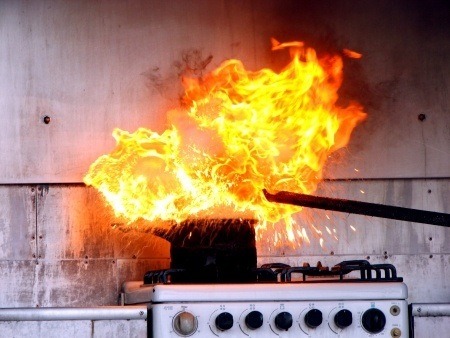
According to the  National Fire Protection Agency, fire departments respond to about 37,000 incidences of industrial or manufacturing property fire per year.

Practicing fire safety in a factory setting is a little bit different from practicing fire safety at an apartment complex, your home, or an office building. Fires that occur in large spaces that are full of people and machinery are particularly dangerous; there could be multiple injuries and even deaths caused by asphyxiation.

Practice Your Fire Escape Plan

To practice fire safety in a factory setting, the most important thing to do is make sure the employees know where the closest exits are to them. That way, if a fire occurs, they’ll be able to evacuate quickly.

Unobstructed Exits

Make sure that any fire doors at emergency exits are in full working order at all times and are not blocked. Doors should be regularly inspected by the building or factory owner, as well as local fire experts to ensure they are working.

Safely Store All Cleaning Supplies and Chemicals

If your factory deals with any flammable chemicals you need to be sure that your employees know how to safely use and store them. Make training sessions mandatory, even for long standing employees, in order to keep staff educated.

Want to ensure that your factory is as safe as possible? Davis Ulmer provides the highest level of expertise, quality, customer service, and satisfaction in the fire protection and security industry. We work with customers throughout the Northeast corner of the United States.

Sprinkler System Saves Yet Again

Whether you are at hoSprinkler System Saves Yet Againme or in a commercial building when a smoke detector goes off, you’re alerted of a possible fire and potential danger. However, being alerted of a fire will not put a fire out.

Fires can be extremely difficult to put out, and whether one happens in a large commercial building or in a home a smoke detector will only alert you of it, making a sprinkler system your best go-to for practicing fire safety.

Sprinkler systems don’t just warn people of fires as smoke detectors do, they work on putting fires out.

Recently, a sprinkler system put out a fire in Myrtle Beach, South Carolina. A grease fire started when a man was cooking his dinner on the stove and grease splashed out, starting a fire.

The flames quickly spread through his kitchen and melted the microwave and cabinets above the stove, spreading to the ceiling. The flames then triggered a sprinkler head in the man’s kitchen, before the fire could do more serious damage. The sprinkler system successfully put out the fire, saving the man’s kitchen, the man’s home, and possibly his life. According to the firemen in the area, if the sprinkler system hadn’t doused the flames, the fire could have spread quickly causing mass destruction.

Fire Sprinkler Systems Help Prevent Fires from Spreading

In residential areas and developments, homes are often close together. A serious fire in one home could cause damage to a home down the road. In this case, the sprinkler system prevented the fire from spreading to other homes.

If you don’t have sprinkler systems in your home or commercial building at this time, learn more about the benefits of installing sprinkler systems offered by Davis-Ulmer Fire Protection Services. We are your full-service fire protection company and work with customers in Connecticut, Pennsylvania, New Jersey, and New York.

Making Your Rental Property Fire Safe

As a landlord, you have a lot of responsibilities that you need to keep in mind at all times.

One of the most important ones is doing everything within your power to ensure that your rental properties are as “fireproof” as possible. There’s no guarantee that a fire won’t ever affect one of your properties due to an accident but you can do your best to prevent them and to make sure that they are extinguished quickly in the event that they do take place.

About once every year, you should inspect your properties and do a fire risk assessment to gauge any potential risks that could result in fires.

You should make sure the electrical systems are up to code, check to see that fire extinguishers are functional and present within the properties, and take a look at the types of furniture that are being used in your rental homes and/or apartments. Furniture made out of fire resistant materials is always your best bet.

Ensure smoke and carbon monoxide detectors are in working order.

Additionally, you should make sure smoke and carbon monoxide detectors are installed and in working order within your rental properties. If a fire ever takes place, these detectors could help save lives and reduce the damage that is done to your properties.

You should also consider installing sprinkler systems inside of the properties that will kick on if a fire ever starts

Just make sure you have routine maintenance done on these systems so that you know they are ready to turn on at the first sign of danger.

It can be hard to keep an eye on a large number of rental properties at one time in an effort to prevent fires.

Davis Ulmer can help give you the peace of mind that comes along with knowing you have done everything you can do to reduce the risk of fires in your properties.

Request a quote from us today and find out more about how we can help make your properties safer. We are the full-service fire protection company that works with properties all over the Northeast region of the United States.