
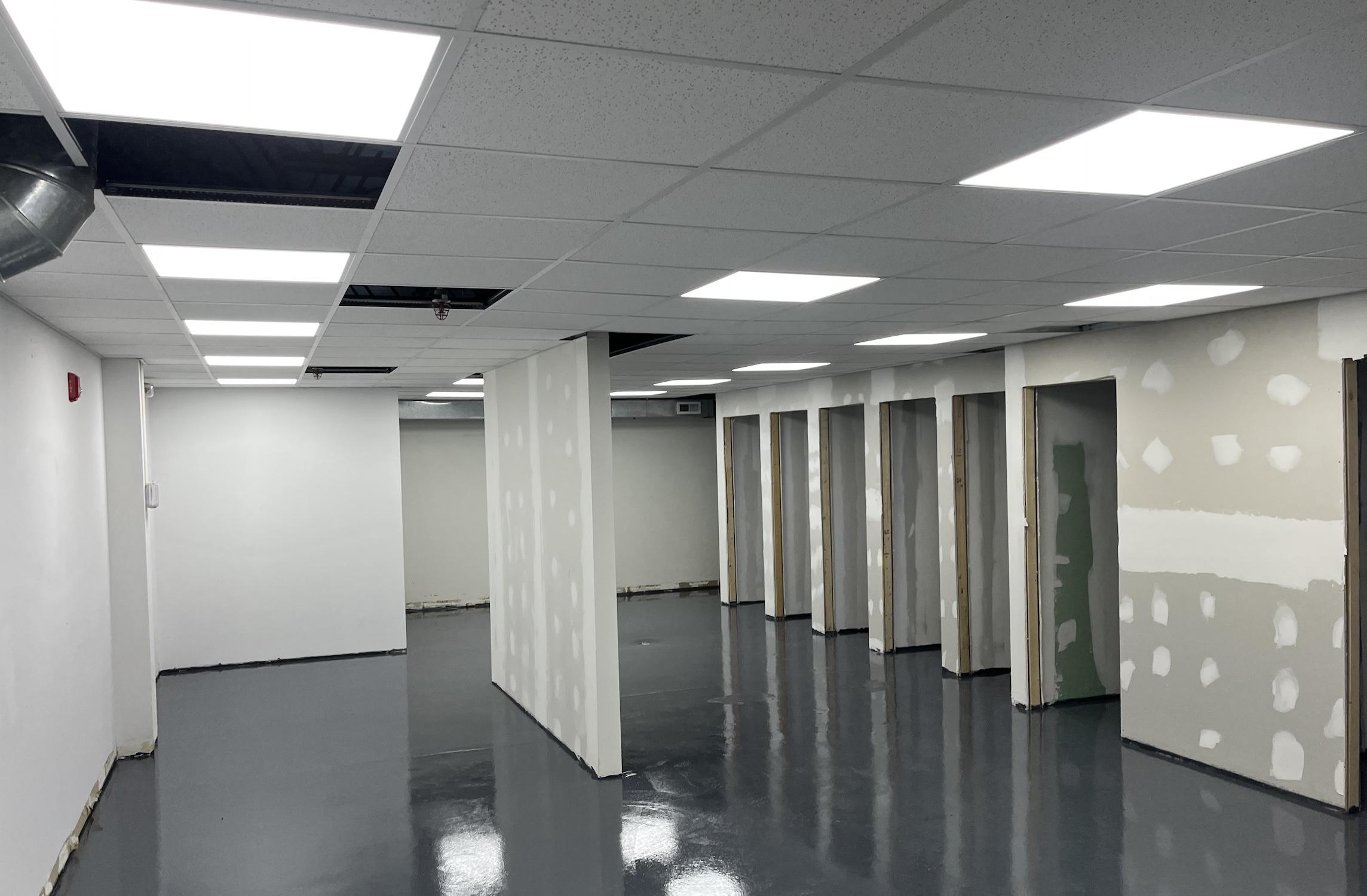
Key Considerations for Retrofitting Fire Sprinkler Systems

Retrofitting an existing fire sprinkler system is one of the most effective ways to strengthen a building’s fire protection. Whether you’re renovating an older property, changing how a space is used, or updating your building to meet current codes, understanding the retrofit process helps you plan with confidence.

This guide outlines the essentials of fire sprinkler retrofits—helping property owners, facility managers, and industry professionals make informed decisions that improve safety and ensure compliance.

Understanding Fire Safety Retrofitting

Retrofitting means adding or upgrading a fire sprinkler system in an existing building. Many older structures were not built with modern sprinkler requirements in mind, and changes in occupancy or layout often require updates. The goal is simple: improve life safety, protect property, and meet today’s building and fire code standards.

Retrofitting plays a critical role in high-rise buildings, historic properties, and any structure that houses large groups of people. In these settings, reliable fire protection is both a safety responsibility and a regulatory requirement.

Why Sprinkler Retrofitting Is Crucial

  1. Improve Life Safety
    Sprinklers control fires early, giving occupants more time to escape and increasing survival rates—especially in buildings built before sprinkler systems were common.
  1. Protect Property
    A well-designed sprinkler system detects and suppresses fires before they spread, reducing damage and helping preserve valuable assets.
  1. Ensure Code Compliance
    Retrofitted systems help building owners meet current fire safety standards and reduce legal and regulatory risks.
  1. Lower Insurance Costs
    Many insurers offer reduced premiums for buildings with compliant sprinkler protection.
  1. Preserve Historical Structures
    Modern sprinkler designs blend into historic architecture, protecting buildings without damaging their character.
  1. Support Community Safety
    Widespread sprinkler use helps prevent fire spread beyond the building of origin, protecting neighboring properties.

The Sprinkler Retrofitting Process: Step-by-Step

  1. Initial Assessment & Water Supply Analysis 
    Hire a fire protection engineer to inspect the building and identify gaps in fire protection by reviewing layout, occupancy, hazards, and existing systems. They will also evaluate the water supply to ensure it can support the new system, recommending upgrades to pumps or piping if needed.
  1. Design and Planning
    Create a tailored sprinkler design based on occupancy type, structural conditions, and code requirements. Finalize drawings and project specifications.
  1. Regulatory Compliance
    Submit plans to the appropriate authorities. Secure all needed permits before work begins.
  1. Installation
    Install piping, sprinkler heads, valves, and supporting components according to approved plans.
  1. Testing
    Perform flow, pressure, and operational tests to confirm that the system works as designed.
  1. Commissioning
    Place the system into service after verifying compliance with codes and regulatory requirements.
  1. Documentation
    Maintain accurate records, including as-built drawings, inspection results, and equipment specifications.

How to Future-Proof Your Sprinkler Retrofit

Planning ahead can save time, money, and disruptions later.

  1. Plan for Growth
    Choose a layout that allows for future expansion. This makes it easier to add sprinkler heads or zones if your occupancy or layout changes.
  1. Ensure Accessibility
    Install piping and components where technicians can easily reach them. Accessible systems simplify maintenance and reduce downtime during future upgrades.

Final Thoughts

Retrofitting an existing fire sprinkler system is more than a code requirement—it’s a long-term investment in the safety and resilience of your building. With thoughtful planning and professional guidance, you can enhance protection, reduce risk, and create a safer environment for everyone.

If you need support with sprinkler system retrofits, contact us for expert assistance and solutions. https://www.davisulmer.com/contact-us/

For even more information, check out this Retrofit Guide from NFSA: https://nfsa.org/wp-content/uploads/2023/01/2021.10-Retrofit-Guide-4th-Ed.pdf

The Most Commonly Used Fire Suppression Systems

If a fire ever breaks out inside your business or in a building you own or operate, you are going to want to have a fire suppression system in place to eliminate the risk of damage and put the fire out as quickly as possible. A fire suppression system can literally be a lifesaver in the event of a fire, and it can give you the peace of mind that comes along with having one installed even if you are never forced to deal with a fire. There are several different types of fire suppression systems on the market today. Take a look at the three most common types of fire suppression systems below.

Water

A fire suppression system that relies on water is the most common type of fire suppression system, and most people choose to have them installed in businesses and buildings. You can choose from either an automatic sprinkler system that will turn on as soon as it senses smoke, heat, or fire—or a manual sprinkler system that needs to be turned on in order to start working. Both can be effective during a fire.

Some common types of water-based sprinkler systems include:

  • Traditional wet pipe sprinkler systems
  • Dry pipe sprinklers
  • Pre-action fire sprinkler systems
  • Deluge sprinklers

Chemical Agents

While most people choose to go with a fire suppression system that uses water to put out fires, there are also several chemical agents that can be used to get the job done. Potassium carbonate is one chemical agent that can be used to put out a fire. It’s a wet chemical that is often found inside of fire extinguishers.  There are also some dry chemicals that can be used in fire suppression systems.

Inert Gasses

Once a fire starts, it needs a steady supply of oxygen to spread. Inert gasses like argon and purified nitrogen can be used to choke out a fire by cutting it off from oxygen in the air. There are some companies that will install fire suppression systems that use inert gasses since water can often cause damage to electrical equipment, furniture, and more. Inert gas fire suppression systems are defined as using one or more of the gasses nitrogen, argon or helium.

Regardless of which type of fire suppression system you ultimately choose to go with in your business or building, technicians from the DU Family of Companies can help you install it. We have experienced fire suppression system installers who can set you up with the best system for your specific property right away.

Fire Sprinkler Corrosion

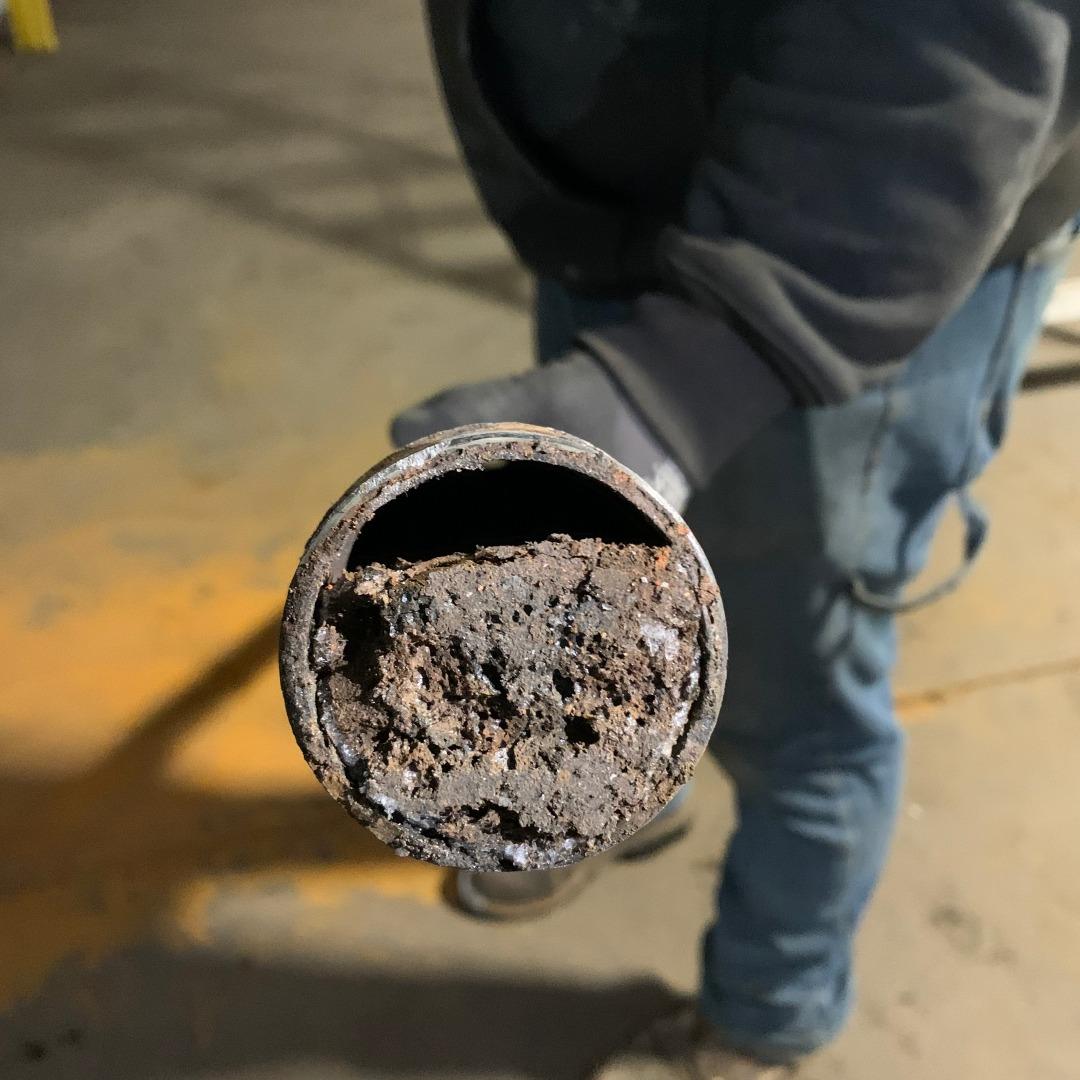
Corrosion can occur within a fire sprinkler system one of two ways. Either the combination of water and oxygen present or microbes found in untreated water that can attack the metal pipes. This can happen anywhere in the system and can be difficult to spot as there are many parts that aren’t seen in a visual inspection. When corrosion occurs the functionality of the sprinklers can be impaired, impacting the safety of your building and occupants. 

Corrosion Maintenance

Keeping your fire sprinkler system well maintained is imperative to preventing corrosion! The DU Family of Companies offers both corrosion testing and maintenance. If you suspect corrosion or if you want to ensure your system is clear, request a quote online today! Corrosion can become a costly issue if not resolved in the early stages and can inhibit the effectiveness of your system if activated. 

Wet Pipe System Corrosion Prevention

In order to prevent corrosion in wet pipe sprinkler systems, nitrogen gas is blown into the piping to dilute the oxygen levels before they are filled again with water. This will reduce the amount of oxygen present, decreasing the risk of corrosion. 

The water in your pipes, or the pipes themselves can also be treated to reduce the amount of microbes present that can cause damage to the metal. This will reduce the risk of contaminated, stagnant water causing corrosion issues. 

Dry Pipe System Corrosion Prevention

Similar to wet pipe systems, dry pipes are also at increased risk of corrosion when oxygen and water is present. Nitrogen can be blown into the pipes to displace oxygen, completely removing it, which will both reduce the risk of corrosion and protect pre-action systems from water accumulation when not active. 

Schedule Corrosion Maintenance 

Our team of technicians will inspect your system on a regular or as needed basis and perform any required maintenance to ensure your sprinklers are both functional and safe. Contact us today to schedule a maintenance appointment.

Fire Sprinkler Freeze-Up Prevention

As the weather drops below freezing, fire sprinkler pipes are at risk of freezing. Frozen sprinkler pipes can cause a lot of problems, especially if a fire breaks out. When small maintenance tasks are performed by building owners, freeze-ups can easily be prevented.

Dry vs. Wet Pipe Freeze-Ups

It is important to note that sprinkler freeze-ups can occur in both dry pipe and wet pipe systems. A common misconception is that dry pipe systems do not need to be checked for freeze-ups. However, dry pipe systems have moisture in the compressed air within the pipes. When this water accumulates during cold weather it has the potential of freezing which can cause costly damages to your system. In wet pipe systems, the most common issue for freeze-ups is having inadequately heated sections of sprinkler pipes.

Cold Weather System Checks

When the cold weather begins, it is important for the building owner to perform checks on their fire sprinkler systems in addition to regular inspections and testing done by a fire protection professional. Building owners should perform maintenance tasks based on the type of system they have installed. Wet and dry pipe systems will have different upkeep requirements for winter weather. Here are some basic tasks a building owner should perform-

For Wet Pipe Sprinklers:

  • Close up any unnecessary openings in the building that may let in cold air
  • Maintain the building heat at an adequate temperature
  • Make sure the coldest parts of the building are adequately heated. These areas include eaves, shipping doors, and places without direct heat
  • Install low temperature alarms in areas with poor heating
  • Provide heat to vulnerable areas such as crawl spaces, attics, and suspended ceilings
  • Check insulation in areas near wet pipe sprinklers

For Dry Pipe Sprinklers:

  • Maintain a temperature of an adequate temperature in dry pipe valve rooms, fire pump rooms, and areas with wet pipe sprinklers
  • Use thermostatically controlled heating instead of portable heaters
  • Drain all low point drains and install additional drains if needed
  • All low point drain and drum drip piping should be extended into a heated area
  • Have air leaks repaired to keep system from tripping if compressor power is lost
  • Air supplied to the compressor should come from a dry, room-temperature source. If this is not possible, or moisture build-up is a problem, consider installing an air dryer or using nitrogen instead of air
  • Have the pitch checked on any pipes where the pipe or hangers have been hit, altered, or appear sagging

Fire Sprinkler Services

If you have any questions regarding fire sprinkler maintenance during the cold winter weather, contact Davis-Ulmer. We can provide fire sprinkler system inspections and testing to keep your system running smoothly. Look no further than Davis-Ulmer for your full-service fire protection needs.


Fire Sprinkler Corrosion Prevention


fire sprinkler corrosion prevention

One of the biggest issues with fire sprinkler systems is corrosion within the pipes. Corrosion often goes undetected until it is too late because it happens inside of the pipes and may be difficult to see until the pipes start leaking or become obstructed. The damage caused by corrosion can lead your fire sprinkler system to not work properly, which means it may not respond to a fire as it was designed to do. Fortunately, there are methods that may be used to prevent corrosion in fire sprinkler systems.

Causes of Corrosion

Understanding how corrosion occurs and what the different types of corrosion are can help prevent this problem from occurring in your sprinkler system. The most common cause of corrosion is oxidation. This happens when oxygen trapped in the sprinkler pipes dissolves in the water and reacts with the sprinkler piping. Microbiologically influenced corrosion (MIC) is a form of corrosion caused by microorganisms. MIC occurs when there are bacteria within the pipes of a fire sprinkler system along with the presence of metal, water, nutrients, and oxygen. Another type of corrosion, oxygen corrosion, occurs when oxygen gas and water in the sprinkler system react with the metal piping.

What Problems Does Corrosion Cause?

Letting corrosion go unchecked can cause serious problems with your fire sprinkler system including:

  • Leaks
  • Pipe obstructions
  • Reduced hydraulic performance

These problems will lessen the likelihood that your sprinkler system will function properly if a fire occurs. It can also lead to expensive repair costs, damage to property and disruption to your business.

Preventing Corrosion

Taking steps to prevent corrosion in your fire sprinkler system can go a long way in lengthening the life of your system. There are several methods that can be used to prevent or manage corrosion in sprinkler systems.

In Dry Pipe Systems – Corrosion occurs in dry pipe systems when water is introduced to the pipes. It is difficult to keep the pipes in a dry system completely dry and there is usually some water present. After a dry pipe system is activated or tested, water flows through the pipes and it is a challenge to remove all of it. One way to prevent corrosion in dry pipe systems is through nitrogen interting. This process eliminates all of the oxygen within the system and replaces it with nitrogen so corrosion cannot occur.

In Wet Pipe Systems – In wet pipe systems, corrosion occurs when oxygen is introduced to the sprinkler systems. Installing an air venting device on a sprinkler system can help reduce corrosion. Wet pipe nitrogen inerting can stop corrosion in a sprinkler system by using nitrogen to displace oxygen from the piping before it is filled with water.

MIC Corrosion – There are some methods that can be used to manage MIC corrosion. This includes filling pipes with treated water to prevent bacteria growth and using biocides to treat MIC.

Preventing Corrosion with Davis-Ulmer

At Davis-Ulmer Fire Protection, our team can help you prevent corrosion in your fire sprinkler system. We can help you test your system and identify signs of corrosion to maximize the life of your sprinkler system. Our corrosion prevention services include biocide treatments and nitrogen inerting. We service locations across New York state and can help test or monitor the water within your sprinkler system to manage corrosion. If you are concerned about preventing corrosion in your sprinkler system, contact Davis-Ulmer today.

Spring Ahead with Spring Maintenance

testing smoke detectorSpring is the perfect time of year to get a fresh start and take care of a few tasks around the office that you’ve been putting off, especially when it comes to fire sprinkler maintenance. If you own or manage any type of commercial property, you can take advantage of a number of preventative services offered by the team at Davis-Ulmer. There are a number of issues that may have cropped up throughout the winter, all of which we can identify and solve before they become a larger problem in your building.

ROUTINELY CHECK YOUR SMOKE DETECTORS

No matter what time of year it is, testing all of the smoke detectors throughout your building is a smart idea. This is especially true if you’ve noticed one has been beeping or you simply haven’t inspected them in a while. Testing other alarms in your building, including CO2 detectors, can also be done at the same time allowing you to check several things off the to-do list at once.

GET A FIRE PROTECTION SYSTEM INSPECTION DONE BY THE EXPERTS

While inspecting the sprinkler systems around your building can be done any time throughout the year, having a professional look at them in the spring is typically a smart idea. That’s because some systems are prone to freezing throughout the winter, especially if there have been several days where the temperature dropped below freezing. Inspecting your whole system in the spring allows you to check everything over for any signs of damage, allowing you to have peace of mind that if needed, they’ll be ready to handle any fire problem.

REPAIR IF POSSIBLE, REPLACE IF NOT

If any aspects of your fire sprinkler system need to be repaired or replaced, the professional team at Davis-Ulmer can take care of the job in no time. Not only do we offer inspection and testing on all systems in your building, we can also install new systems as needed.

These are just a few of the reasons that spring is a great time to have a professional ensure your building’s fire protection systems are in working order. Request a quote today from Davis-Ulmer or call the emergency service number in your area if you need immediate assistance. We are your full-service fire protection company serving New York and surrounding states.