
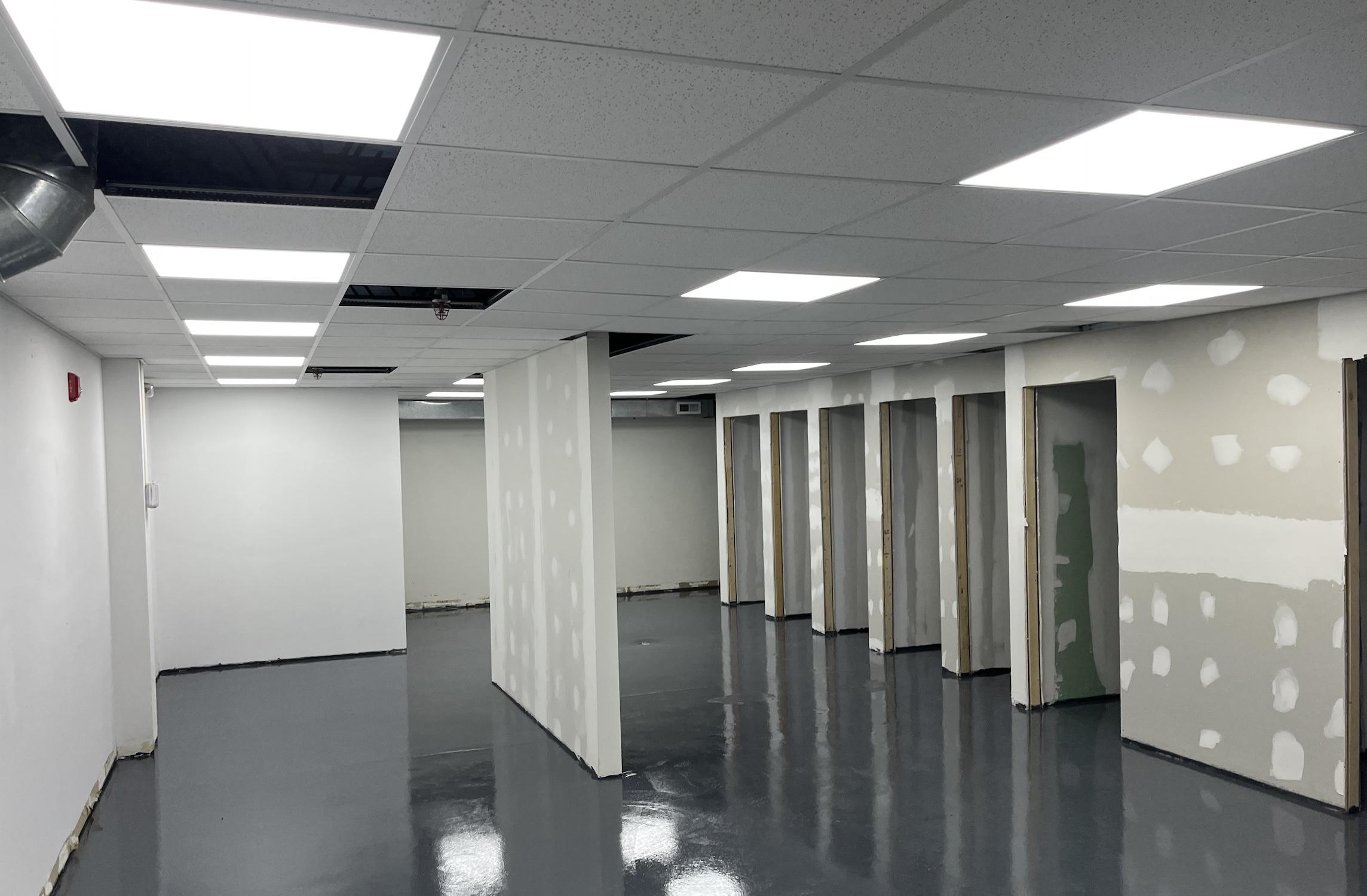
Retrofitting an existing fire sprinkler system is one of the most effective ways to strengthen a building’s fire protection. Whether you’re renovating an older property, changing how a space is used, or updating your building to meet current codes, understanding the retrofit process helps you plan with confidence.
This guide outlines the essentials of fire sprinkler retrofits—helping property owners, facility managers, and industry professionals make informed decisions that improve safety and ensure compliance.
Understanding Fire Safety Retrofitting
Retrofitting means adding or upgrading a fire sprinkler system in an existing building. Many older structures were not built with modern sprinkler requirements in mind, and changes in occupancy or layout often require updates. The goal is simple: improve life safety, protect property, and meet today’s building and fire code standards.
Retrofitting plays a critical role in high-rise buildings, historic properties, and any structure that houses large groups of people. In these settings, reliable fire protection is both a safety responsibility and a regulatory requirement.
Why Sprinkler Retrofitting Is Crucial
- Improve Life Safety
Sprinklers control fires early, giving occupants more time to escape and increasing survival rates—especially in buildings built before sprinkler systems were common.
- Protect Property
A well-designed sprinkler system detects and suppresses fires before they spread, reducing damage and helping preserve valuable assets.
- Ensure Code Compliance
Retrofitted systems help building owners meet current fire safety standards and reduce legal and regulatory risks.
- Lower Insurance Costs
Many insurers offer reduced premiums for buildings with compliant sprinkler protection.
- Preserve Historical Structures
Modern sprinkler designs blend into historic architecture, protecting buildings without damaging their character.
- Support Community Safety
Widespread sprinkler use helps prevent fire spread beyond the building of origin, protecting neighboring properties.
The Sprinkler Retrofitting Process: Step-by-Step
- Initial Assessment & Water Supply Analysis
Hire a fire protection engineer to inspect the building and identify gaps in fire protection by reviewing layout, occupancy, hazards, and existing systems. They will also evaluate the water supply to ensure it can support the new system, recommending upgrades to pumps or piping if needed.
- Design and Planning
Create a tailored sprinkler design based on occupancy type, structural conditions, and code requirements. Finalize drawings and project specifications.
- Regulatory Compliance
Submit plans to the appropriate authorities. Secure all needed permits before work begins.
- Installation
Install piping, sprinkler heads, valves, and supporting components according to approved plans.
- Testing
Perform flow, pressure, and operational tests to confirm that the system works as designed.
- Commissioning
Place the system into service after verifying compliance with codes and regulatory requirements.
- Documentation
Maintain accurate records, including as-built drawings, inspection results, and equipment specifications.
How to Future-Proof Your Sprinkler Retrofit
Planning ahead can save time, money, and disruptions later.
- Plan for Growth
Choose a layout that allows for future expansion. This makes it easier to add sprinkler heads or zones if your occupancy or layout changes.
- Ensure Accessibility
Install piping and components where technicians can easily reach them. Accessible systems simplify maintenance and reduce downtime during future upgrades.
Final Thoughts
Retrofitting an existing fire sprinkler system is more than a code requirement—it’s a long-term investment in the safety and resilience of your building. With thoughtful planning and professional guidance, you can enhance protection, reduce risk, and create a safer environment for everyone.
If you need support with sprinkler system retrofits, contact us for expert assistance and solutions. https://www.davisulmer.com/contact-us/
For even more information, check out this Retrofit Guide from NFSA: https://nfsa.org/wp-content/uploads/2023/01/2021.10-Retrofit-Guide-4th-Ed.pdf