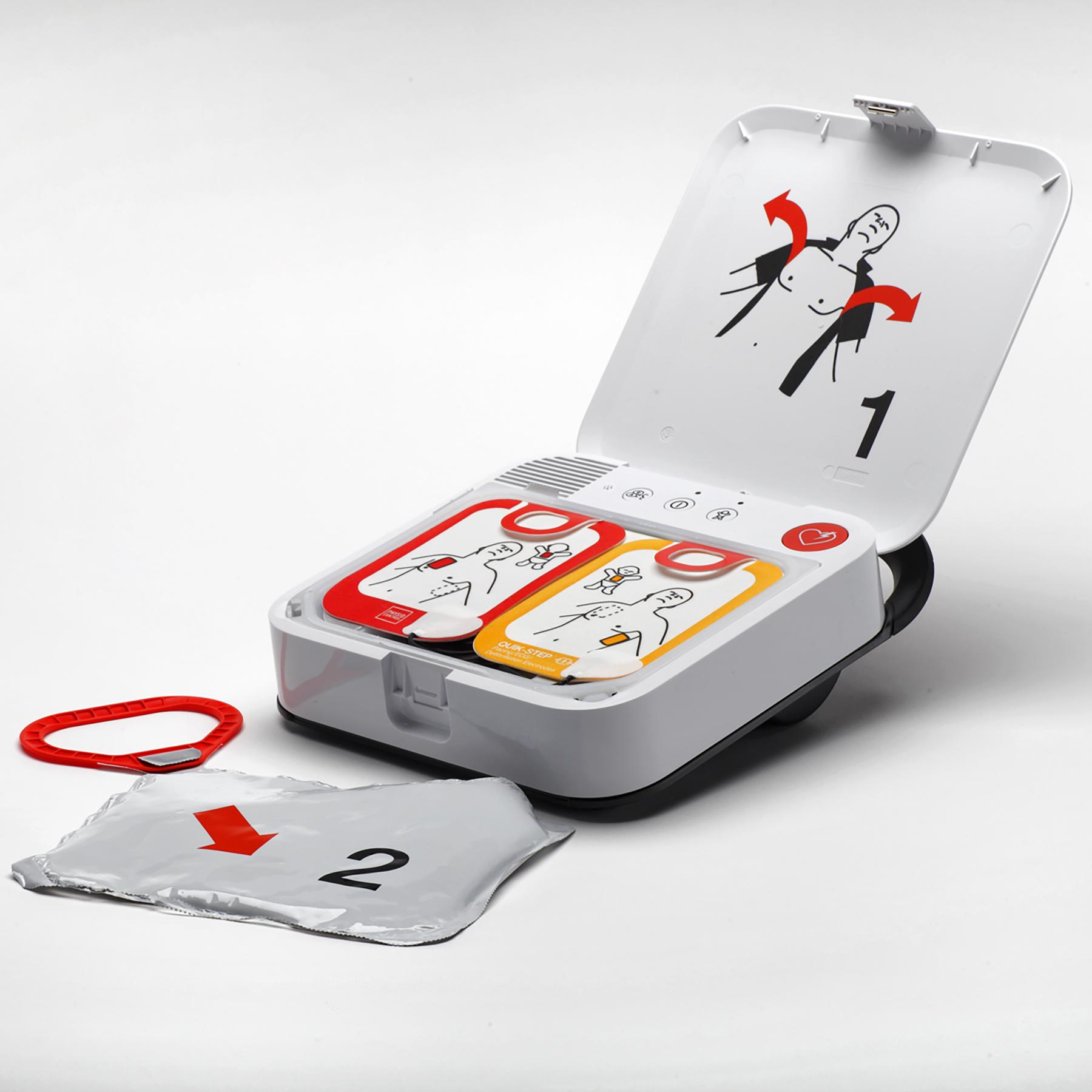
Getting a Workplace AED: Over-Prepared or a Must-Have?

In workplaces and public spaces across the country, the question of whether to invest in an Automated External Defibrillator (AED) is becoming increasingly common. Is purchasing a workplace AED a sign of being over-prepared, or is it a crucial step every organization should consider? Let’s look at the practical realities, community sentiment, and the emerging best practices around AEDs.

The Stakes: Why AEDs Matter

Sudden cardiac arrest (SCA) remains one of the leading causes of death in the United States, and the risk only rises as the population ages. When SCA strikes, every minute counts: for each minute defibrillation is delayed, survival chances drop by 7–10%. Emergency medical services (EMS) typically arrive in 8–12 minutes, but brain and heart damage can occur much sooner. An on-site AED can mean the difference between life and death—early use of an AED can increase survival rates tenfold, and when paired with CPR, can triple the odds of survival.

What the Community Says

Real-life stories and online discussions reflect the growing recognition of AEDs’ value:

  • “AEDs are absolutely a life-saving piece of equipment.”
  • “I bought one for a family member who has heart issues. It was an expense, but worth the peace of mind.”
  • “Every public space should have an AED.”

AEDs provide peace of mind and critical protection, especially in workplaces, public venues, and other places where people gather.

Are There Drawbacks?

Some business owners hesitate, citing the upfront cost and the ongoing maintenance required to keep the device operational. AEDs require periodic replacement of batteries and pads, and their effectiveness depends on regular checks. Additionally, while AEDs are designed to be used by anyone—no medical background required—they are only effective for certain cardiac emergencies, such as ventricular fibrillation. CPR remains essential alongside defibrillation.

Meeting Objections: Today’s AED Solutions

Modern AEDs have addressed many of these concerns. Leading models, such as the Stryker LIFEPAK CR2, deliver intuitive audio and visual guidance, bilingual support, and smart pediatric features to ensure anyone can act quickly and confidently. Features like auto-adjusting volume and real-time CPR coaching make these devices more accessible than ever.

But perhaps the most significant evolution is in AED monitoring and support. Many organizations worry about whether their AED will work when needed, but today’s monitored solutions offer real-time status updates, battery and pad expiration tracking, and even 24/7 location services. With annual inspections and automatic alerts for any issues, businesses can rest assured their AEDs are always rescue-ready.

The Case for Being Prepared

Some may wonder if having an AED is simply “over-prepared.” Yet, with high-profile cardiac emergencies making headlines and regulatory requirements slowly expanding, the real question is whether you can afford to be unprepared. The peace of mind, potential to save a life, and the growing expectation for public safety make AEDs a must-have for many organizations.

Our Commitment: Monitored AED Services—and Why We Chose Stryker

We offer fully monitored AED rental programs designed to remove the guesswork from life-saving preparedness. When it comes to selecting the right AED, our partnership with Stryker and the LIFEPAK CR2 model reflects our commitment to providing the very best in reliability, user-friendliness, and advanced features.

Why did we choose the Stryker LIFEPAK CR2?

The LIFEPAK CR2 is trusted worldwide to help save lives in high-stress situations. It’s engineered with the latest technology to support both experienced responders and everyday users, offering:

  • Easy-to-use design: Clear, step-by-step audio and visual instructions guide anyone—trained or not—through the rescue process.
  • Self-monitoring: The device automatically runs readiness checks and reports any issues, so you’re never caught off guard.
  • Cellular + Wi-Fi connectivity: Real-time status and event data are shared seamlessly, ensuring our monitoring team has up-to-the-minute information.
  • Metronome & CPR coaching: Sets the correct pace and guides rescuers with real-time instructions, increasing the likelihood of a positive outcome.
  • QUIK-STEP® electrodes: Peel directly from the base for faster, simpler placement in emergencies.
  • Child Mode: Delivers a lower energy level suitable for young children, with no need to change pads.
  • ClearVoiceTM technology:Adapts instructions to be heard clearly, even in noisy environments.
  • Location services: Always know where your AED is, so it’s accessible when every second counts.
  • Bilingual prompts: Supports multilingual workplaces and communities, defaulting to Spanish if needed.

By choosing the Stryker LIFEPAK CR2, we ensure that our clients have access to a device that’s as intuitive as it is powerful—backed by our comprehensive monitoring and support.

  • Real-time device monitoring: Immediate alerts for battery or pad expiration, or any device issue
  • 24/7 location tracking: Always know where your AED is
  • Annual inspections: Ongoing compliance and confidence
  • Comprehensive support: From selection to training and maintenance

With a monitored AED solution, you can focus on your business, knowing your people are protected and your device is always ready.

Protect what matters most—your team, your customers, and your peace of mind.

Want to learn more about how a monitored AED program can benefit your organization? Contact us today for details on our flexible rental and support options.

Fire Extinguishers: Holiday Safety Tips and Inspection Information

While festive gatherings are a time for joy, they can also increase fire hazards in homes and workplaces. December is the perfect opportunity to discuss the critical role fire extinguishers play in fire safety and why regular inspections and maintenance are crucial.

Empowering Everyday Heroes: The Importance of Extinguishers

Fire extinguishers are more than just safety equipment; they make everyone a potential hero. Unlike smoke alarms and sprinkler systems, which activate automatically, extinguishers are tools anyone can use in an emergency. Having the knowledge and confidence to operate a fire extinguisher can mean the difference between extinguishing a small fire or a minor incident escalating into a tragedy.

Annual Extinguisher Inspections Are Lifesaving

Annual inspections are not bureaucratic red tape; they are a vital part of building safety. Local jurisdictions require these annual inspections to be documented by a qualified fire extinguisher technician to ensure all safety equipment is functional. The annual inspections are required along with the monthly inspections. Monthly inspections being performed onsite require a lesser level of experience – anyone trained to recognize obvious extinguisher damage, missing parts, or problems can help.
If you don’t inspect your fire extinguishers, they may not perform when needed. Unfortunately, we often forget or ignore fire extinguishers until they are desperately needed. Regular checks are essential to ensure reliability. During inspections, technicians frequently find extinguishers hidden behind desks or seasonal decorations, making them difficult to access in an emergency. Place your extinguishers where someone can reach them quickly.

The Critical Six-Year Maintenance for Fire Extinguishers

Another crucial aspect of fire extinguisher maintenance is the mandatory six-year inspection for many types of units. Over time, extinguishers can age, leading to issues such as rust, seepage, or dry-rotting hoses that can render them ineffective. Six year maintence is code mandated and essential; it resets the extinguisher’s reliability clock, ensuring the inside agent and components are in good condition which gives you peace of mind that it will work when called upon.

Seasonal Risks and the Speed of Holiday Fires

  • December can be treacherous when it comes to fire safety. Increased use of space heaters, the presence of dry Christmas trees, and the risk of overloaded extension cords can all contribute to fire hazards. In addition, holiday cooking and decorating often lead to distractions, further increasing the risk. Let’s not overlook fire extinguishers this month or any other. Their accessibility and functionality could potentially save lives.
  • Another alarming fact to consider is that holiday fires can spread much faster than many people realize. For instance, a Christmas tree fire can escalate in under a minute, creating a catastrophic situation in mere moments. This reality underscores the importance of fire extinguishers being in proper working order and easily accessible.

Building Managers: Protect What You Value Most

For building managers, December is not only about festivities but also a time to ensure compliance before the new year. By working with a licensed contractor, including our trained professionals at any DU Family of Companies branch, you can align with National Fire Protection Association (NFPA) standards and local codes. We will ensure that the appropriate type of extinguisher is in the correct location, with proper placement, distance, and tagging.

As we embrace the holiday spirit, let’s also commit to fire safety. Regular maintenance of fire extinguishers is not just an obligation but a vital practice that protects everyone. Contact your local DU Family of Companies branch today to schedule your inspections and ensure your fire safety equipment is ready when you need it most.

Stay safe and enjoy a festive season!

Bi-Directional Amplifiers: A Lifeline to Emergency Services


A Bi-Directional Amplifier, or BDA system, is an essential life safety system that makes sure first responders can send and receive crucial radio messages during an emergency. But it’s one that many people have never heard of. Davis-Ulmer Fire Protection Alarm & Detection Manager Jerrad Carpenter explains the ABCs of BDAs.

Q: What is a Bi-Directional Amplifier?

A: A BDA system broadcasts communication signals through a system of amplifiers strategically located inside large buildings. It’s a crucial system that enhances wireless communication between individual emergency personnel inside the structure, support vehicles positioned outside, 911 call centers, and backup recorders that document communications for use in training later on. These systems prevent any delays, interference, or signal loss that can compromise the lives and safety of first responders and building occupants during an emergency.

Q: In what kinds of buildings are BDA systems necessary?

A: BDA systems are essential in structures with physical features that radio signals might struggle to penetrate, like underground areas or buildings with thick walls. For example, a warehouse that is five stories tall and four million square feet of steel and concrete with very few egress points would need a BDA system to ensure that first responders inside the building could communicate with each other from different areas of the warehouse and with trucks stationed outside.

Q: What happens when a building doesn’t have a working BDA?

A: The most infamous example where the presence of a BDA may have saved hundreds of lives is during the aftermath of the September 11 terrorists attacks. At the time, fire codes didn’t require BDA systems, and the World Trade Center towers did not have an adequate system in place. As a result, first responders could only communicate radio to radio—and never heard warnings from the ground that the buildings were about to fall. The National Fire Protection Association has enacted ordinances requiring minimums levels of coverage for Public Safety communication within new buildings as a result of this tragedy.

Q: How often does a BDA system need to be inspected?

A: BDA systems need to be inspected every year to stay up to code.

Q: Who performs the inspection?

A: Professional inspectors are required to be licensed by the FCC in order to perform annual BDA inspections or to re-certify a system every five years. BDA equipment is proprietary, and inspectors have to be certified to work on that particular manufacturer. These pros undergo annual training and work closely with the local jurisdiction to build relationships with the first responders whose communications systems need to work inside the building.

Q: What happens during a BDA system inspection?

A: During a BDA inspection, the system is assessed, tested, and certified to ensure they comply with safety standards and effectively improve in-building wireless communication for emergency services, first responders, and occupants during critical situations.

During a BDA inspection, specialists evaluate the BDA system’s installation, performance, and adherence to regulatory requirements. They conduct tests to verify signal strength, coverage, and reliability across different frequencies to ensure seamless communication for emergency responders within the building. Inspections may also involve confirming compliance with local fire codes and regulations to guarantee the system’s functionality during emergencies. Regular BDA inspections are crucial to maintain the system’s efficacy and ensure it meets the necessary standards for emergency communication.

Q: Does Davis-Ulmer Fire Protection install and service BDA systems?

A: Yes. We consider flawless emergency communication to be an essential part of a comprehensive safety system along with fire alarms and sprinklers. When companies hire us to do all three, we can make sure all three systems work in tandem to provide optimal protection for the building and the people who live or work within it.

For more information about Bi-Directional Amplifiers and how we can help, contact Chuck Keating at [email protected] or Sean Phillips at [email protected]

Fire Prevention Week 2020

On October 9th, 1871, the Great Chicago Fire killed 250 people, left 100,000 homeless, destroyed more than 17,400 structures, and burned more than 2,000 acres of land. Since 1922, the NFPA has been recognizing Fire Prevention Week during the week of October 9th in commemoration of the fire.

This year, Fire Prevention Week is October 4th -10th 2020. During Fire Prevention Week, educate those around you about fire safety and prevention measures to prevent tragic fire accidents.

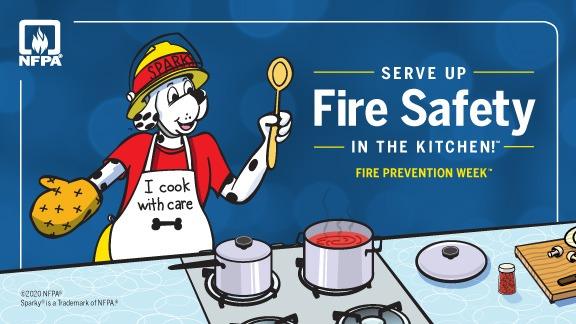
“Serve Up Fire Safety in the Kitchen!”

This year, the theme for Fire Prevention Week is “Serve Up Fire Safety in the Kitchen!” Since cooking is the leading cause of home fires and home fire injuries, it is important to know some important actions that you can take to stay safe in the kitchen. Unattended cooking is the leading cause of fires in the kitchen.

Don’t Leave Your Cooking Unattended

When you are frying, boiling, grilling, or broiling food, always stay in the kitchen. Even if you leave the kitchen for a short period of time, turn off the burner. It’s important to regularly check up on your food when you are simmering, backing, or roasting food. Always use a timer to remind yourself that you are cooking and don’t cook when you have been consuming alcohol or are feeling drowsy.

Clear Your Cooking Area

You should try to keep anything that can catch fire including oven mitts, wooden utensils, and towels away from the stovetop. Setting kid-free zone of 3 feet around the stove can prevent injuries or fire accidents. Always clean up food and grease from your stovetop.

Prevent Kitchen Fires from Getting Out of Control

While cooking, you should always keep a lid nearby. If a small grease fire starts, you should cover the pan and turn off the burner. You should not discharge a portable fire extinguisher into a grease fire. If you have a fire in your oven or microwave, you should keep the door closed and shut off the appliance.

Prevent Burns and Scalds

Some ways to prevent burns and scalds include turning pot handles away from the stove’s edge and keep hot food and liquids away from the table and counter edges. You should keep your appliance cords coiled and away from counter edges. Always keep your face away from the oven door when checking or removing food so heat or steam does not cause burns.

If you are interested in learning more about Fire Prevention Week and how you can participate, visit the NFPA’s website.

Fire Prevention Week

Fire Prevention Week is October 6th-12th 2019. Since 1922, Fire Prevention Week has been observed to educate the public on how to prevent and stay safe from fires. In 1925, President Calvin Coolidge made Fire Prevention Week a national observance.

FPW is observed on the week of the anniversary of the Great Chicago Fire. The Chicago Fire of 1871 killed more than 250 people, left 100,000 people homeless, destroyed more than 17,400 structures, and burned more than 2,000. Fires can be extremely destructive. Learning how to prevent fires is extremely important for your safety and the safety of those around you. During Fire Prevention Week, take time to learn how to stay safe in case of a fire.

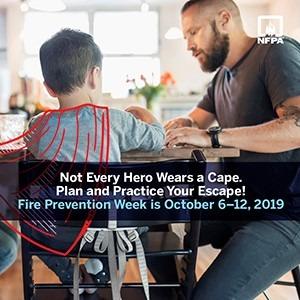
“Not Every Hero Wears a Cape. Plan and Practice Your Escape!”

This year, the theme for Fire Prevention Week is, “Not every hero wears a cape. Plan and practice your escape!” This theme highlights the importance of making a fire escape plan for your home and practicing what you can do during a fire to stay safe.

Make Your Home Escape Plan

In a typical home fire, you may have as little as one to two minutes to escape safely after the smoke alarm sounds. When every second counts, it’s very important that you’re prepared and know what to do during a fire. Planning and practicing a home fire escape plan can help you make the most of the time you have to escape.

Here are some steps you should take when making a fire escape plan for your home:

  1. Draw a map of your home with all doors and windows.
  2. Visit each room in your house and find two ways out.
  3. Make sure that all doors and windows can open easily so you can use them to get outside.
  4. Make sure your home has working smoke alarms. Test them to see if they work.
  5. Pick a meeting place in front of your home.
  6. Talk about your escape plan with everyone in your home.
  7. Make sure everyone knows how to call 911 or the local emergency number.
  8. Practice your home fire drill.

Be a Hero in Your Home & Community

According to an NFPA survey, only 1 out of 3 American households have developed and practiced a home fire escape plan. This Fire Prevention Week, you can be a hero by taking small, but important actions to keep yourself, your family, and those around you safe from a fire. One of the easiest ways you can protect your loved ones is to plan and practice a home escape plan. When the smoke alarm sounds in an actual fire, it will be too late to start making a plan.

Interested in learning more about how you can participate in Fire Prevention Week? Visit the NFPA’s website for great resources and materials. Learn how to make an escape plan and raise public awareness about the importance of fire prevention.

Preventing Electrical Fires

Electricity in our homes is a great thing – it allows us to turn lights on, run our appliances, and power our electronics. There is no doubt that without electricity, our lives would be much more difficult. However, it is important to remember that electricity can be a fire hazard when safety measures are not taken.

Have Electrical Work Done by Qualified Electrician

You should never attempt to do electrical work on your own. Hire a qualified electrician to help you fix your electrical problems, perform inspections, and when buying or remodeling a home. Call an electrician if you are having problems with blowing fuses, sparks from an outlet, or flickering or dimming lights.

Check Your Home for Electrical Safety Hazards

It is a good idea to check your home for any hazards that could cause electrical fires. Make sure to look out for:

  • Damaged electrical cords or wires
  • Receptacle outlets or switches without faceplates
  • Bulbs with incorrect wattage for your lights
  • More than one heat producing appliance per outlet
  • Light bulbs without shades or globes for protection

If you notice any of the above hazards in your home, be sure to correct them immediately to prevent an electrical fire.

Electrical Safety Tips

Here are some additional safety tips to keep in mind when using electrical appliances in your home:

  • Major appliances should be plugged directly into an outlet. Do not use an extension cord for refrigerators, dryers, washers, stoves, or microwaves
  • Consider having Arc-Fault Circuit Interrupters (AFCIs) installed in your home to shut off electricity when a dangerous situation occurs
  • Use Ground- Fault Circuit Interrupters (GFCIs) in bathrooms, kitchens, garages, and basements to shut off an electrical circuit when it becomes a shock hazard

Davis-Ulmer encourages all homeowners to be vigilant when it comes to electrical safety in the home. We understand how dangerous electrical fires can be and we would like you to do what you can to prevent a fire from happening in your home. If you want additional protection from a fire, Davis-Ulmer can install a fire protection system in your home or business. To learn more, contact us today.

October Fire Prevention Week

On October 8th, 1871 a fire broke out that later became known as the Great Chicago Fire. This fire was devastating. It killed more than 250 people, burned 2,000 acres of land, and left more than 100,000 people homeless. In commemoration of this fire, Fire Prevention Week was established. The National Fire Protection Association (NFPA) has sponsored Fire Prevention week since 1922. In 1925, President Calvin Coolidge made it a national observance. This year, Fire Prevention Week is October 7-13. This week is dedicated to educating the public on the dangers of fires and fire safety methods. Spreading public awareness of fire safety can help to save lives.

 “Look. Listen. Learn. Be aware. Fire can happen anywhere.”

Every year, Fire Prevention Week runs a campaign to educate the public on fire safety. This year’s campaign, “Look. Listen. Learn. Be aware. Fire can happen anywhere,” teaches three steps to reduce the chance of a fire and educates on safe escape if a fire does occur.

LOOK for Potential Fire Hazards

Take some time to look around in your home or business and identify possible fire hazards. The most common fire hazards are cooking, heating equipment, electrical equipment, candles, and smoking materials. Cooking is the leading cause of home fires. Many cooking fires start when cooking is left unattended. Always keep a close eye on what you are cooking. Remember to have chimneys and other cleaning equipment cleaned each year and turn off space heaters before you leave the room or go to sleep. Make sure you are using electrical equipment properly. Do not overload your outlets and use extension cords properly. If you or someone you live with is a smoker, only smoke outside and throw away butts and ashes safely.

LISTEN for Smoke Alarms

Smoke alarms are critical to Life Safety in the event of a fire. Smoke alarms work as the first line of defense in a fire by alerting everyone that there is a fire and giving them time to evacuate. Having smoke alarms in your home cuts risk of death from a fire in half. Make sure to install smoke alarms in every level of your home and in every bedroom. Test smoke alarms every month and replace them if they are more than 10 years old. Also, you should interconnect the alarms in your home so that all smoke alarms will go off simultaneously, alerting everyone in your home.

LEARN Your Escape Plan

Time is crucial when a fire occurs. Every second counts when trying to safely escape a fire. Creating and practicing a fire escape plan for your home will lower the amount of time it takes you to escape in the event of a fire and will increase your chances of getting out safely. The general rule for escape plans is to have two ways out of every room. Usually these two escape exits are a door and a window.  You also should identify a path from each exit to the outside of your home and designate a safe meeting place for everyone to gather. Once you have created a home escape plan, practice it with your family at least twice a year.

Knowing fire prevention techniques can save lives. If you want to know more about fire prevention week take a look at many great fire prevention resources, visit the NFPA’s website.

The Importance of a Fire Escape Plan

Fire Escape PlanMost people don’t like to spend much time thinking about what might happen if a fire took place inside of their home or business. However, in the event of a fire, you should have a fire escape plan in place so that your family members or employees know exactly how to exit your home or business safely. It could end up saving their lives, and it could help firefighters to put out a fire more quickly, since they won’t have to worry about rescuing anyone from a burning building when they arrive.

The Importance of Having a Fire Escape Plan

Your fire escape plan should be comprehensive and include several different things. First, you should let all of your family members or employees know of at least two ways to get out of your home or building. If one way is blocked, they should have an alternative route in mind. Your fire escape plan should also include a meeting place outside where you or a supervisor can take attendance and ensure that everyone has made it out of your home or building.

Additionally, your fire escape plan should include some tips and techniques for dealing with a fire in your home or business. Family members or employees should know about the stop, drop, and roll method of dealing with a fire, and they should be updated on where fire alarms and fire sprinklers are located.

Practice Your Fire Escape Plan

While coming up with a fire escape plan is essential, practicing a fire escape with your family members or employees is just as important. They need to be able to escape from your home or building quickly in the event of a fire, so you should practice doing it several times throughout the course of the year. Ideally, you should practice by surprising them with a fire drill, and then you should talk to them about anything they could have done better while exiting your home or building. This information will pay off in the long run if a real fire ever affects them.

Davis Ulmer Fire Protection encourages all home and business owners to put fire escape plans into place. We also encourage them to consider installing fire alarms, fire sprinklers, and other tools that can be used to reduce the impact of a fire. If you would like to find out more about the services we can offer to you, contact us today. Davis-Ulmer is the Northeast’s leading full-service fire protection company for over 70 years.

Things to Teach Your Kids About Fire Safety

In the event of a fire in your home, would your children know how to react? Would they know how to get out of the house as quickly as possible, and would they know what to do in case the closest exit was blocked by the fire? Teaching fire safety to your kids is of the utmost importance. It will prepare them for a fire and let them know exactly what to do if your family is ever forced to deal with the ordeal. Here are some tips for teaching your kids about fire safety:
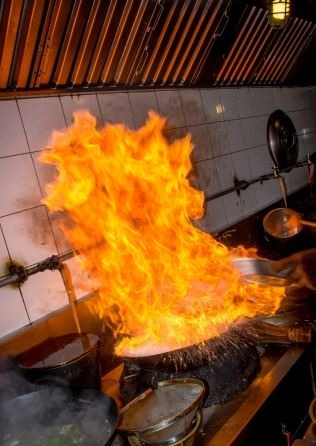
Start by Showing Your Kids Where Your Home’s Fire Alarms are Located

Most adults have experience with fire alarms. They have either heard one go off at some point or tested one out themselves. But many kids have never been subjected to a fire alarm. So, when one goes off, they often get scared and don’t know what to do next. By showing your kids where your home’s fire alarms or smoke detectors are located and then testing one with them, it will familiarize them with how they work.

Show Your Kids Exactly What to do if a Fire Ever Starts

Unfortunately, many kids don’t know what to do when a fire starts in their home. Their first instinct is usually to try and run through or around it. You can give your kids the confidence to safely maneuver around a fire by teaching them the stop, drop, and roll method and running through different scenarios with them. This will allow them to practice fleeing from a fire on their own.

Set Up a Fire Escape Plan for Your Kids

If a fire ever starts in your home, you will probably respond by trying to locate your kids so that you can escort them outside. But what if you’re not around or you aren’t able to find them? You should have a fire escape plan set up that shows your kids where they should go if a fire starts based on which room they’re in. You should also set up a place to meet outside so that you can all account for one another.

It’s never too early to start talking to your kids about fire safety. It’s also never too early to invest in fire alarms and smoke detectors for your home that will protect you and your family. Davis Ulmer Sprinkler Co can set you up with the fire alarms you need. Contact us today for more information about the services we can offer to you. Davis-Ulmer is the premier full-service fire protection contractor for New York and surrounding areas.

How to Avoid Kitchen Fires

Why do kitchen fires start? In the case of restaurants, there are several reasons, including fat deposits in the flue and ventilation ducts, older, highly flammable oil in the deep fryer, and having too high a temperature in the fryer.

Fires start when there’s heat, air and fuel involved. All three have to be involved for a fire to happen, so if you remove one of those things, there won’t be a fire. However, most kitchens– commercial or otherwise–have all three present.

So, what can you do to avoid fires in the kitchen at home or at work?

Always Be Attentive Before, During, and After Cooking

First and foremost, be vigilant. You never want to leave the cooking area unattended, even for a minute. Fires could happen at any time, and if you’re out of the room “just for a second,” you might miss the chance to contain a fire before it gets out of control.

Next, check the food on the stove or in the oven/fryer often to make sure it’s not on fire. Adjust the temperature as needed so nothing gets out of hand.

Be careful about what you wear around a heat source. Loose clothing could easily catch fire if it’s in the wrong place at the wrong time.

Finally, before you leave a room, whether it’s to go to sleep, go out of the house, or simply because your cooking is finished, you should check to make sure you turned the stove/oven totally off and that any buildup of heat has dissipated.

Keep the Stove Area Clean and Free From Buildup

Grease is typically the cause of kitchen fires, so do what you can to minimize its presence around the stove or oven. Don’t let grease buildup.

Have Proper Fire Protection Ready and Available

You should have a proper fire extinguisher near your cooking source at all times. Better yet, you should know/understand how to use it. There are certainly YouTube videos online you can watch to get an idea of how to spray the fire extinguisher should you need to do so.

Finally, before you leave a room, whether it’s to go to sleep, go out of the house, or simply because your cooking is finished, you should check to make sure you turned the stove/oven totally off and that any buildup of heat has dissipated.

Davis Ulmer Sprinkler Company, in business since 1946, can make sure your fire alarms/sprinklers are in good working order. Should you need to install them, check them, or repair them, please contact Davis Ulmer Sprinkler Company today. We serve customers in the Pennsylvania, New York, New Jersey, Connecticut and surrounding areas.